
“The end in a story” refers to the final or closing part of a narrative where everything is resolved, completed, or given a meaningful conclusion.
Ever noticed how saying just “the end” after a story can feel a bit plain or repetitive? Whether you’re finishing a school essay, telling a bedtime story, writing a blog post, or sharing a heartfelt moment with friends, family, colleagues, or even a partner, the ending deserves more personality than a basic phrase. That’s why many people look for other ways to say “the end in a story”—seeking creative alternatives, different expressions, and more engaging wording that adds emotion and style.
Instead of using the same old phrase, you can explore unique sign-offs, funny endings, or even professional closing lines that better match your tone and message. A strong ending can leave a lasting impression, making your story feel complete and memorable rather than abrupt.
In this guide, you’ll discover fresh, natural, and expressive alternatives to upgrade your storytelling and communication. Let’s dive into better ways to say “the end” that truly stand out…
What Does “The End in a Story” Mean?
The phrase “the end in a story” simply refers to the final part of a narrative where all events are concluded and the storyline reaches a clear resolution. It signals that the journey of characters, ideas, or events has officially finished.
In writing, storytelling, or everyday communication, this phrase is often used as a basic closing marker. However, many writers feel it sounds too simple or repetitive, which is why they explore more expressive storytelling endings and improved creative writing phrases.
When to Use “The End in a Story”
You can use “the end in a story” when you want a clear and direct way to close a narrative, especially in informal writing, school assignments, or simple storytelling. It works best when no emotional or stylistic impact is required.
However, in modern content writing or storytelling, this phrase can feel outdated. That’s why many prefer better wording, engaging story endings, or more polished closing expressions to leave a stronger impression on readers.
Is It Professional or Polite to Say “The End in a Story”?
In professional writing, “the end in a story” is generally considered too basic and not very polished. It lacks emotional depth and may not match the tone of formal content, branding, or storytelling contexts.
Instead, professionals often choose refined alternatives, such as narrative closings or impactful final lines. These options help maintain a strong writing tone, improve readability, and enhance overall content quality and engagement.
When Should You Use These Alternatives?
You should use alternative expressions to “the end in a story” when you want your writing to feel more engaging, creative, or emotionally appealing. This is especially useful in blogs, stories, speeches, or social media content.
Using creative endings helps you connect better with different audiences like friends, students, readers, or professional clients. It also improves storytelling flow and makes your content more memorable and impactful.
What Can I Say Instead of “The End in a Story”?
Instead of repeating “the end in a story,” you can use creative alternatives, unique expressions, or even funny story endings depending on your tone. Phrases like “and that’s how it ended” or “the story concludes here” add more personality.
These different ways to say the end help improve writing style and make your content feel fresh and engaging. Choosing the right ending line can completely change how your audience remembers your story.
Read More: Other Ways To Say “You Look Beautiful” 2026
Synonyms For “The End In a Story”
And that’s how the story concludes
Meaning:
This phrase is used to give a smooth and natural ending to a story or explanation, showing that everything has reached a complete and meaningful close.
Usage Scenario:
It is commonly used in storytelling, blogging, and narration where you want a natural closure instead of a harsh ending. It works well in personal stories, presentations, and casual writing.
Tone:
The tone is friendly, reflective, and slightly dramatic, making it suitable for both informal and semi-formal communication.
Best Use Case:
Ideal for storytelling content, personal experiences, and concluding paragraphs that need emotional flow.
Examples:
- And that’s how the story concludes after years of struggle.
- She achieved her dream, and that’s how the story concludes.
- After everything they faced, and that’s how the story concludes.
- The journey was long, and that’s how the story concludes.
The journey comes to a close

Meaning:
This phrase shows that a process, experience, or phase has officially ended after completion.
Usage Scenario:
Used in professional communication, farewell messages, academic milestones, and reflective writing where career growth or life journey is discussed.
Tone:
The tone is formal, respectful, and thoughtful.
Best Use Case:
Best for professional endings like jobs, projects, education, or life transitions.
Examples:
- After years of work, the journey comes to a close.
- With gratitude, the journey comes to a close.
- As the project ends, the journey comes to a close.
- Their path together, the journey comes to a close.
This marks the final chapter
Meaning:
This phrase highlights the end of a significant phase in a structured and meaningful way.
Usage Scenario:
Used in storytelling, biographies, motivational writing, and life updates where transition and growth are emphasized.
Tone:
The tone is emotional, dramatic, and reflective.
Best Use Case:
Ideal for personal development stories, achievements, or career milestones.
Examples:
- Graduation day marks the final chapter.
- Moving abroad marks the final chapter of this phase.
- After years of effort, this marks the final chapter.
- A new journey begins as this marks the final chapter.
And so, their story ends
Meaning:
This phrase gives a soft and emotional closure to a story, often used in narrative writing.
Usage Scenario:
Common in creative writing, storytelling, and emotional blogs where closure and sentiment matter.
Tone:
The tone is emotional, gentle, and narrative-driven.
Best Use Case:
Best for fictional stories, biographies, or reflective storytelling.
Examples:
- After a long journey, and so, their story ends.
- With peace and memories, and so, their story ends.
- They found happiness, and so, their story ends.
- After everything, and so, their story ends.
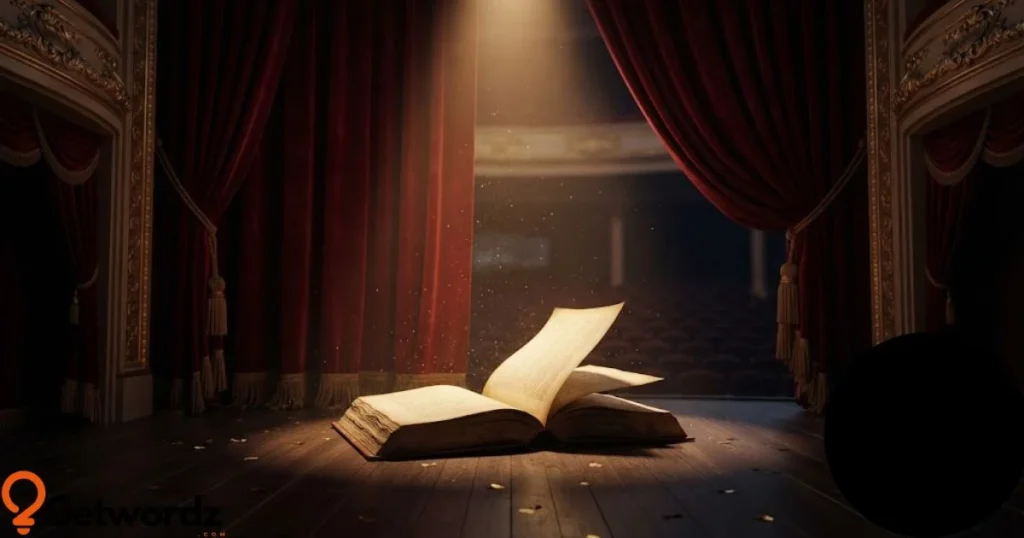
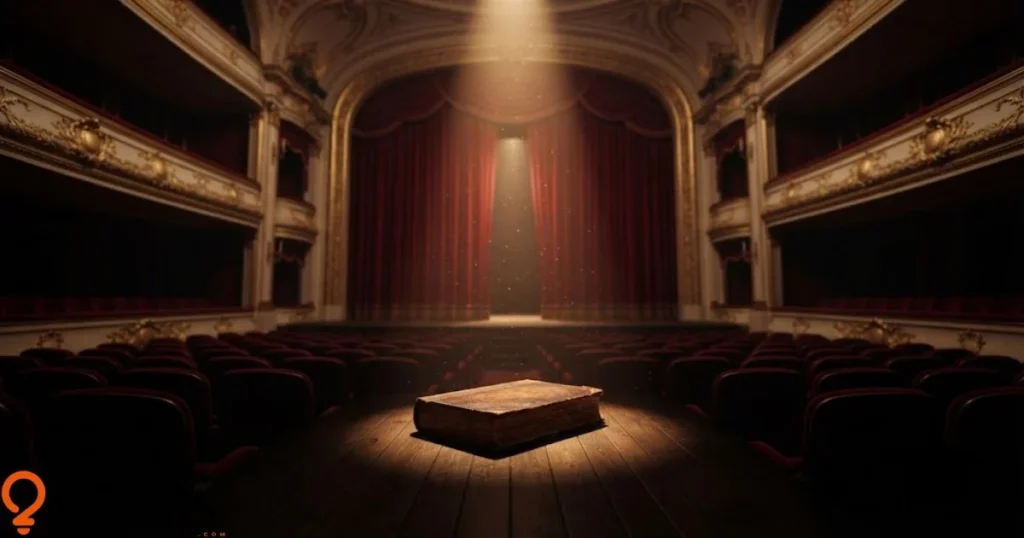
The curtain falls on the story
Meaning:
This phrase comes from theatre language and means the story has ended like a performance finishing on stage.
Usage Scenario:
Used in dramatic writing, literature, speeches, and cinematic storytelling.
Tone:
The tone is dramatic, artistic, and expressive.
Best Use Case:
Best for storytelling, plays, films, and creative writing.
Examples:
- As applause fades, the curtain falls on the story.
- The final act ends, the curtain falls on the story.
- With silence, the curtain falls on the story.
- Their journey ends as the curtain falls on the story.
This is where we leave them
Meaning:
This phrase indicates leaving characters, people, or situations at a certain point in their journey.
Usage Scenario:
Used in storytelling, documentaries, blogs, and narration where the story continues beyond the ending.
Tone:
The tone is neutral, reflective, and slightly emotional.
Best Use Case:
Best for storytelling that suggests continuation beyond what is shown.
Examples:
- Their journey continues, but this is where we leave them.
- After everything, this is where we leave them.
- In peace, this is where we leave them.
- Their path moves forward, but this is where we leave them.
Their chapter closes here
Meaning:
This phrase shows the end of a life phase, experience, or journey.
Usage Scenario:
Used in career updates, personal growth stories, education milestones, and reflective writing.
Tone:
The tone is formal, emotional, and thoughtful.
Best Use Case:
Best for transitions like graduation, job changes, or life changes.
Examples:
- After graduation, their chapter closes here.
- A long career ends as their chapter closes here.
- With pride, their chapter closes here.
- A new start begins as their chapter closes here.
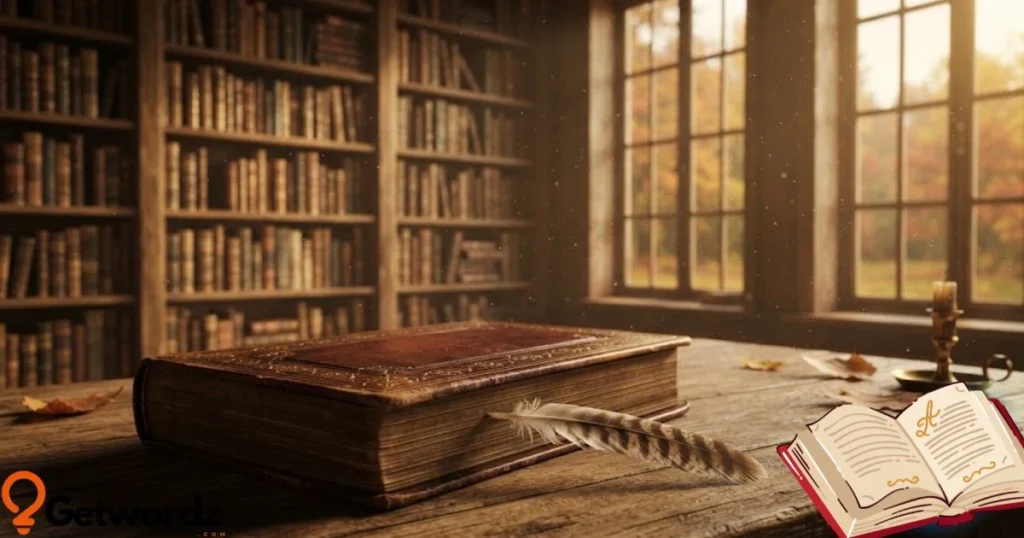
The final page turns
Meaning:
This phrase symbolizes finishing a story, similar to closing the last page of a book.
Usage Scenario:
Used in literary writing, blogs, speeches, and emotional storytelling.
Tone:
The tone is symbolic, poetic, and reflective.
Best Use Case:
Best for creative writing and meaningful endings.
Examples:
- With gratitude, the final page turns.
- Their story ends as the final page turns.
- A new beginning starts as the final page turns.
- Peace arrives as the final page turns.
The story from beginning to end

Meaning:
This phrase covers a complete journey, from start to finish.
Usage Scenario:
Used in summaries, explanations, reports, and educational content.
Tone:
The tone is informative, clear, and structured.
Best Use Case:
Best for blogs, presentations, and detailed storytelling.
Examples:
- This explains the story from beginning to end.
- We explored everything from beginning to end.
- The journey is shown from beginning to end.
- Here is the story from beginning to end.
The rest is silence
Meaning:
This phrase shows complete ending where nothing more needs to be said.
Usage Scenario:
Used in literature, drama, and philosophical writing for emotional impact.
Tone:
The tone is deep, poetic, and dramatic.
Best Use Case:
Best for powerful emotional or tragic endings.
Examples:
- After goodbye, the rest is silence.
- The war ended, and the rest is silence.
- With memories, the rest is silence.
- Everything fades, and the rest is silence.
The story reaches its final moment
Meaning:
This phrase highlights the exact end point of a story or event.
Usage Scenario:
Used in storytelling, presentations, and structured narrative writing.
Tone:
The tone is formal and slightly dramatic.
Best Use Case:
Best for step-by-step storytelling or detailed explanations.
Examples:
- After twists and turns, the story reaches its final moment.
- Peace comes as the story reaches its final moment.
- The journey ends as the story reaches its final moment.
- Everything leads to the story reaches its final moment.
And that concludes everything
Meaning:
This phrase clearly shows that all discussion or content has ended.
Usage Scenario:
Used in speeches, reports, meetings, and formal writing.
Tone:
The tone is professional, clear, and direct.
Best Use Case:
Best for presentations, summaries, and formal communication.
Examples:
- And that concludes everything for today.
- The report ends, and that concludes everything.
- With this point, and that concludes everything.
- Thank you all, and that concludes everything.
The tale comes to its close
Meaning:
This phrase expresses the ending of a story in a traditional storytelling style.
Usage Scenario:
Used in fiction, fairy tales, blogs, and narrative writing.
Tone:
The tone is soft, narrative, and slightly poetic.
Best Use Case:
Best for creative and story-based writing.
Examples:
- After adventures, the tale comes to its close.
- With lessons learned, the tale comes to its close.
- Their journey ends as the tale comes to its close.
- Peace follows as the tale comes to its close.
This is where the story rests
Meaning:
This phrase shows a peaceful ending where the story is complete and settled.
Usage Scenario:
Used in reflective writing, emotional storytelling, and personal blogs.
Tone:
The tone is calm, emotional, and reflective.
Best Use Case:
Best for gentle and meaningful closures.
Examples:
- After everything, this is where the story rests.
- In memory, this is where the story rests.
- Their journey ends, this is where the story rests.
- With peace, this is where the story rests.
The chapter ends, but the legacy remains
Meaning:
This phrase shows that even though something has ended, its impact continues.
Usage Scenario:
Used in motivational writing, biographies, and professional achievements.
Tone:
The tone is inspirational and respectful.
Best Use Case:
Best for career endings, achievements, and impactful stories.
Examples:
- The project ends, but the legacy remains.
- The chapter ends, but the legacy remains strong.
- Their work ends, but the legacy remains.
- One journey ends, but the legacy remains.
The final word has been spoken
Meaning:
This phrase means everything is final and no further discussion is needed.
Usage Scenario:
Used in debates, formal decisions, storytelling, and strong conclusions.
Tone:
The tone is authoritative and decisive.
Best Use Case:
Best for formal conclusions or dramatic endings.
Examples:
- The decision is made, the final word has been spoken.
- After judgment, the final word has been spoken.
- No more debate, the final word has been spoken.
- The matter ends, the final word has been spoken.
That’s where the story fades out
Meaning:
This phrase describes a soft, gradual ending to a story or event.
Usage Scenario:
Used in cinematic storytelling, blogs, and emotional narratives.
Tone:
The tone is gentle, poetic, and emotional.
Best Use Case:
Best for creative writing and emotional storytelling.
Examples:
- With music playing, that’s where the story fades out.
- In silence, that’s where the story fades out.
- Their journey slowly ends, that’s where the story fades out.
- And gently, that’s where the story fades out.
Their paths finally part here

Meaning:
This phrase describes a point where people, characters, or journeys naturally separate after sharing a connection or experience.
Usage Scenario:
Common in storytelling communication, relationship narratives, travel blogs, or emotional writing where two journeys or lives move in different directions.
Tone:
The tone is emotional, reflective, and slightly bittersweet, often used for meaningful endings.
Best Use Case:
Best for stories involving friendships, relationships, or life transitions where separation is important.
Examples:
- After years of friendship, their paths finally part here.
- The journey was beautiful, but their paths finally part here.
- With memories intact, their paths finally part here.
- Life takes them forward as their paths finally part here.
This is the final scene
Meaning:
This phrase represents the ultimate ending moment of a story, like the last scene in a film or play.
Usage Scenario:
Used in cinematic storytelling, novels, presentations, and dramatic narratives to highlight conclusion.
Tone:
The tone is dramatic, structured, and expressive, suitable for impactful storytelling.
Best Use Case:
Best for films, scripts, or narrative content where closure is visually or emotionally strong.
Examples:
- As the lights dim, this is the final scene.
- After everything unfolds, this is the final scene.
- Their journey ends here, this is the final scene.
- With silence, this is the final scene.
Here ends the tale
Meaning:
This phrase simply and clearly signals the conclusion of a story or narrative.
Usage Scenario:
Common in fairy tales, storytelling, blogs, and written narratives where a traditional ending is preferred.
Tone:
The tone is simple, classic, and narrative-driven, often used in storytelling tradition.
Best Use Case:
Best for short stories, folklore, or clean narrative endings.
Examples:
- With peace restored, here ends the tale.
- After many lessons, here ends the tale.
- Their journey is complete, here ends the tale.
- And so, here ends the tale.
The narrative comes full circle
Meaning:
This phrase means the story returns to its starting point or completes a meaningful journey.
Usage Scenario:
Used in literary writing, blogs, analysis, and storytelling where structure and depth are important.
Tone:
The tone is thoughtful, intellectual, and reflective, often used in advanced storytelling.
Best Use Case:
Best for complex stories, essays, or content with symbolic endings.
Examples:
- In the end, the narrative comes full circle.
- What began in chaos, the narrative comes full circle.
- Their journey ends as the narrative comes full circle.
- Everything connects as the narrative comes full circle.
That wraps up the story
Meaning:
This phrase casually indicates that a story or explanation has been completed.
Usage Scenario:
Used in blogs, conversations, presentations, and informal storytelling where a friendly closing is needed.
Tone:
The tone is casual, friendly, and conversational, making it easy to read.
Best Use Case:
Best for informal writing, digital content, or spoken explanations.
Examples:
- That wraps up the story for today.
- And that wraps up the story nicely.
- With this final point, that wraps up the story.
- That wraps up the story perfectly.
The final moment settles in
Meaning:
This phrase highlights the exact ending point where everything concludes and sinks in emotionally.
Usage Scenario:
Used in emotional storytelling, reflective writing, and cinematic narratives.
Tone:
The tone is emotional, slow, and reflective, often creating impact.
Best Use Case:
Best for dramatic or emotional endings in stories or speeches.
Examples:
- After everything, the final moment settles in.
- Silence falls as the final moment settles in.
- Their journey ends as the final moment settles in.
- Reality hits as the final moment settles in.
This is where everything ends
Meaning:
This phrase clearly states the complete end of a story, event, or journey.
Usage Scenario:
Used in formal summaries, storytelling, and direct communication where clarity is needed.
Tone:
The tone is direct, neutral, and conclusive.
Best Use Case:
Best for reports, explanations, or straightforward endings.
Examples:
- After this point, this is where everything ends.
- The journey stops here, this is where everything ends.
- With finality, this is where everything ends.
- No continuation, this is where everything ends.
The story signs off here
Meaning:
This phrase means the story officially ends, like a message or broadcast closing.
Usage Scenario:
Used in digital content, blogs, storytelling, and media writing where a modern tone is preferred.
Tone:
The tone is modern, casual, and slightly creative, often used in online writing.
Best Use Case:
Best for blogs, vlogs, or digital storytelling content.
Examples:
- And with that, the story signs off here.
- After a long journey, the story signs off here.
- That’s the moment the story signs off here.
- With gratitude, the story signs off here.
Here closes the final scene
Meaning:
This phrase indicates the ending of the last scene in a story or performance.
Usage Scenario:
Used in cinematic writing, scripts, storytelling, and dramatic narration.
Tone:
The tone is dramatic, structured, and artistic, fitting for storytelling.
Best Use Case:
Best for films, plays, and narrative storytelling endings.
Examples:
- With silence, here closes the final scene.
- After the climax, here closes the final scene.
- Their story ends, here closes the final scene.
- The lights fade as here closes the final scene.
This is the story’s final breath
Meaning:
This phrase symbolizes the last moment of a story, often with emotional or poetic depth.
Usage Scenario:
Used in creative writing, poetry, and emotional storytelling where strong imagery is needed.
Tone:
The tone is poetic, emotional, and deeply expressive.
Best Use Case:
Best for powerful endings in literature or artistic storytelling.
Examples:
- In silence, this is the story’s final breath.
- With fading light, this is the story’s final breath.
- Their journey ends here, this is the story’s final breath.
- Everything fades into this is the story’s final breath.
Pros and cons of Using Other Ways to Say “The End In a Story”
Pros
- Stronger reader engagement through emotional or surprising conclusions
- Improves storytelling quality and makes content more memorable
- Helps writers express deeper meaning and creativity
- Enhances audience retention in blogs, books, and digital content
Cons
- Can confuse readers if the ending is too complex or unclear
- Risk of losing simplicity in favor of over-creativity
- Not always suitable for formal or academic writing
- Requires strong writing skills to execute effectively
- May not fit every type of audience or content style
Conclusion
A well-crafted story ending is more than just a closing line—it is the final emotional imprint you leave on your reader. Whether it is a dramatic twist, a reflective farewell, or a simple meaningful wrap-up, the ending shapes how the entire narrative is remembered. The best storytellers don’t just stop a story; they give it purpose, rhythm, and emotional closure that lingers beyond the last word.
By choosing the right ending style, writers can turn ordinary stories into lasting experiences that feel complete, thoughtful, and truly unforgettable.
FAQs
What is a creative story ending?
A creative story ending is a unique and engaging way to close a story that adds emotion, meaning, or surprise instead of a simple conclusion.
Why are story endings important?
Story endings are important because they leave the final impression on readers and determine how memorable the story will be.
Can I use creative endings in blogs?
Yes, creative endings work well in blogs, especially when you want to improve reader engagement and storytelling flow.
What makes a good story ending?
A good ending is clear, meaningful, and emotionally satisfying while matching the tone of the entire story.
Are short endings effective?
Yes, short endings can be very effective when they are impactful and clearly express the final message.