


“Sunrise and sunset” refer to the daily moments when the sun appears above the horizon in the morning and disappears below it in the evening, marking the beginning and end of daylight.
There’s something quietly powerful about watching the sunrise and sunset—whether it’s the calm of early morning light or the golden glow fading into night. These moments often find their way into conversations, captions, poetry, travel blogs, and even casual chats with friends, colleagues, family, or a partner. But here’s the thing: constantly repeating the same phrase can feel a bit plain, especially when you’re trying to express something so beautiful and emotional.
That’s exactly why many people search for other ways to say “sunrise and sunset,” looking for creative alternatives, different ways to say, and unique expressions that better capture the mood, color, and feeling of these natural events. Whether you’re writing a caption, describing a scenic trip, or adding flair to storytelling, the right wording can make your message more vivid and memorable.
In this post, you’ll discover fresh, meaningful, and even poetic alternatives to “sunrise and sunset” that fit different tones—from romantic and artistic to simple and descriptive. Think of it as upgrading your language with better wording, creative phrases, and natural expressions that bring your writing to life.
If you’ve ever felt your descriptions sound too repetitive, you’re about to find a list that changes the way you talk about daybreak and dusk forever.
Read More: Other Ways To Say “You Look Beautiful” 2026
What Does “Sunrise and Sunset” Mean in Simple and Natural Language?
“Sunrise and sunset” refer to the natural moments when the sun appears in the morning (sunrise) and when it disappears in the evening (sunset). These terms describe the daily cycle of light and darkness on Earth.
In creative and emotional writing, they are also used as symbols of new beginnings, hope, endings, and closure, making them popular in poetry, storytelling, and captions.
When Should You Use the Terms “Sunrise and Sunset” Effectively?
You should use sunrise and sunset when describing nature, travel experiences, daily routines, or time-based events. They are commonly used in blogs, essays, and social media captions.
These words are especially powerful in travel writing, photography captions, and emotional storytelling, where natural beauty and mood matter.
Is It Professional or Polite to Say “Sunrise and Sunset”?
Yes, the terms sunrise and sunset are completely neutral, clear, and professional when used in the right context. They are widely accepted in both formal and informal writing.
However, in business communication, they are usually used only when describing timing, scheduling, or natural references, not in formal email tone-building.
Why Choosing the Right Words Matters in Professional and Creative Writing
Using the right words improves clarity, tone, and reader engagement. Simple terms like sunrise and sunset work well, but in creative writing, better wording can make your content more expressive.
Strong vocabulary choices help you sound more professional, confident, and impactful, especially in blogs, emails, and storytelling content.
Best Alternative Ways to Say “Sunrise and Sunset” Creatively
There are many creative alternatives to “sunrise and sunset” that add beauty and depth to your writing. These include expressions like dawn and dusk, daybreak and nightfall, and morning glow and evening fade.
Writers often use these alternatives in poetry, captions, travel content, and storytelling to make descriptions more vivid, emotional, and visually appealing.
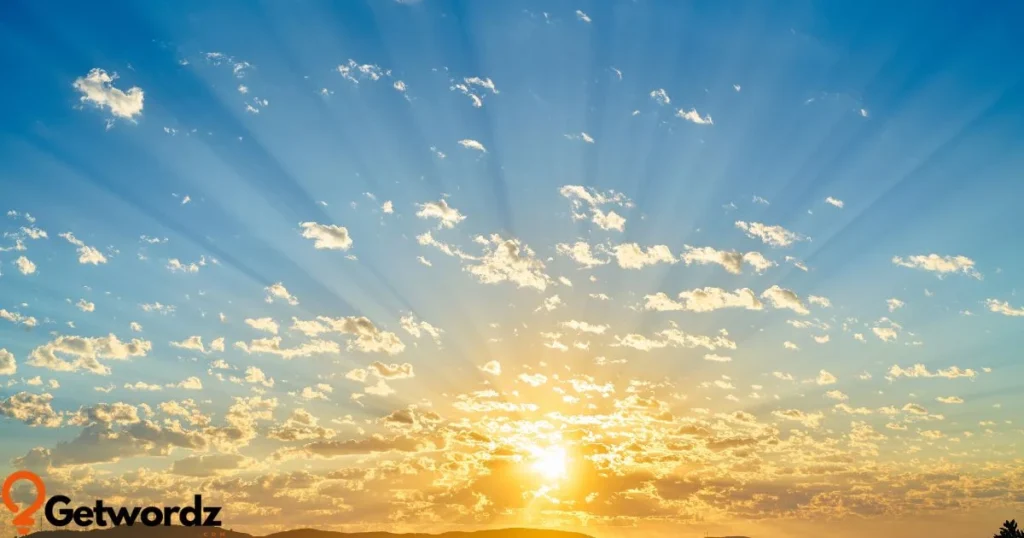
Dawn and Dusk
Meaning:
Dawn and dusk describe the natural transition periods between night and day when light softly appears in the morning or gently fades in the evening.
Usage Scenario:
Used in nature description, travel writing, storytelling, and photography language to highlight calm and scenic moments of the day.
Tone:
Reflective, calm, and slightly poetic.
Best Use Case:
Best for emotional storytelling, scenic narration, and visual content descriptions.
Examples:
- The sky changes colors beautifully at dawn and dusk.
- We took photos during dawn and dusk for soft lighting.
- The village feels peaceful at dawn and dusk.
- Birds are most active at dawn and dusk.
Daybreak and Nightfall
Meaning:
Daybreak refers to the beginning of daylight, while nightfall refers to the time when darkness begins.
Usage Scenario:
Used in formal writing, reports, storytelling, and daily routine descriptions.
Tone:
Neutral, clear, and descriptive.
Best Use Case:
Best for structured time-based narration and factual descriptions.
Examples:
- Work starts at daybreak and ends at nightfall.
- The city becomes quiet at nightfall.
- Travelers moved from daybreak until nightfall.
- Animals are active from daybreak to nightfall.
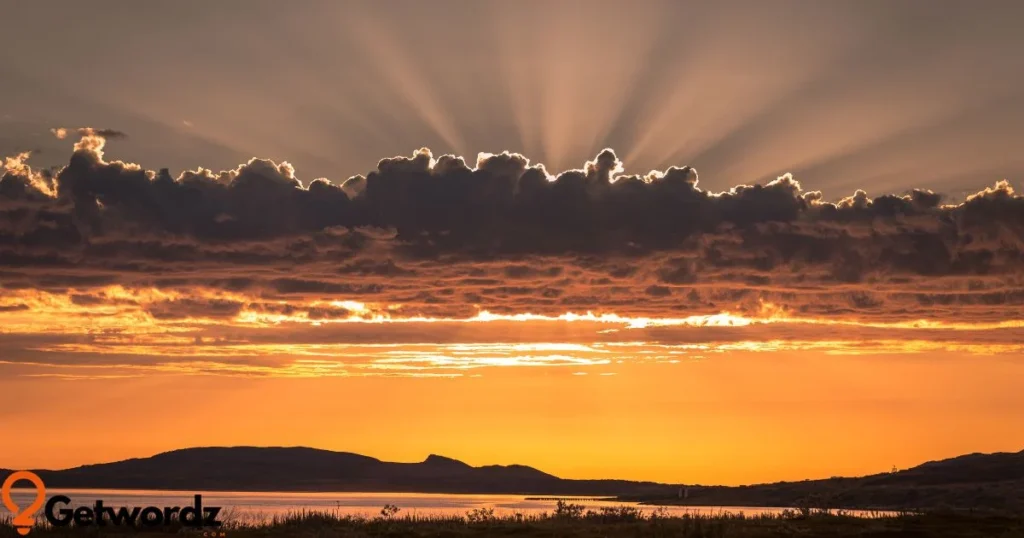
Morning Glow and Evening Glow
Meaning:
Morning glow is the soft, golden light of sunrise, while evening glow is the warm light during sunset.
Usage Scenario:
Used in creative writing, lifestyle content, photography, and aesthetic descriptions.
Tone:
Warm, expressive, and visually descriptive.
Best Use Case:
Best for mood-based storytelling and scenic imagery.
Examples:
- The hills shine beautifully in the morning glow.
- The city looks golden in the evening glow.
- She enjoys peaceful walks in the morning glow.
- The beach looks magical in the evening glow.
Read More: Ways to Say “I Like”(with Examples)2026
First Light and Last Light
Meaning:
First light is the earliest visible light before sunrise, and last light is the final light after sunset.
Usage Scenario:
Used in outdoor activities, travel planning, photography timing, and adventure contexts.
Tone:
Practical, simple, and informative.
Best Use Case:
Best for planning nature activities and capturing ideal lighting conditions.
Examples:
- We started hiking at first light.
- Photographers prefer shooting at last light.
- Fishing works best during last light.
- Runners train in first light every morning.
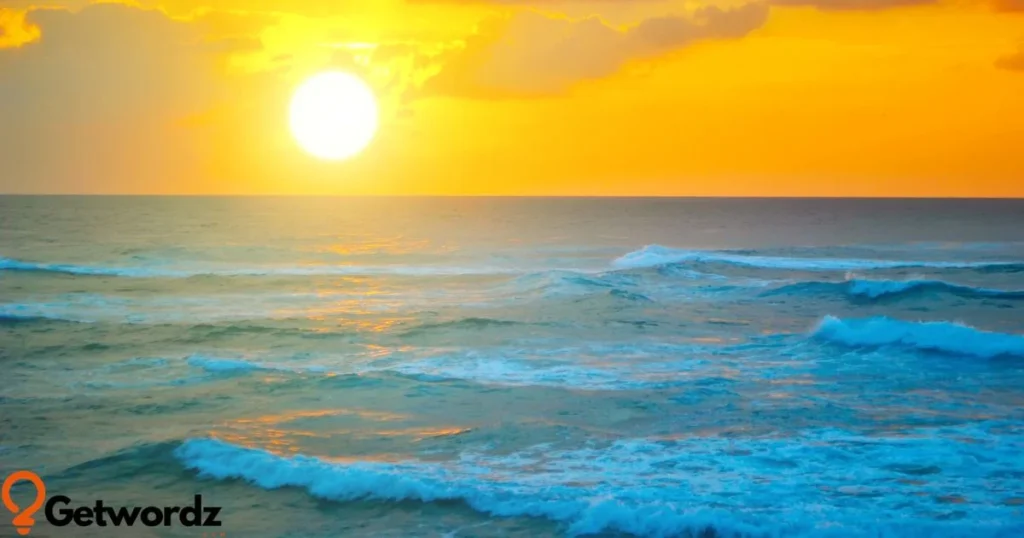
Sun Rising and Sun Setting
Meaning:
Sun rising refers to the sun appearing in the morning sky, while sun setting refers to the sun disappearing in the evening sky.
Usage Scenario:
Used in daily communication, educational explanations, and travel descriptions.
Tone:
Simple, natural, and informative.
Best Use Case:
Best for explaining daily natural cycles and basic time descriptions.
Examples:
- We watched the sun rising over the mountains.
- The sun setting painted the sky orange.
- Farmers begin work at sun rising.
- The beach looks peaceful at sun setting.
Break of Day and End of Day
Meaning:
Break of day refers to the beginning of morning light, while end of day refers to the closing hours when daylight fades into night.
Usage Scenario:
Used in daily routine descriptions, storytelling, travel logs, and formal narration of time cycles.
Tone:
Simple, descriptive, and calm.
Best Use Case:
Best for explaining full-day routines or time transitions in writing.
Examples:
- The village is peaceful at the break of day.
- We finished our journey at the end of day.
- Work starts at the break of day.
- The city slows down at the end of day.
Early Light and Fading Light
Meaning:
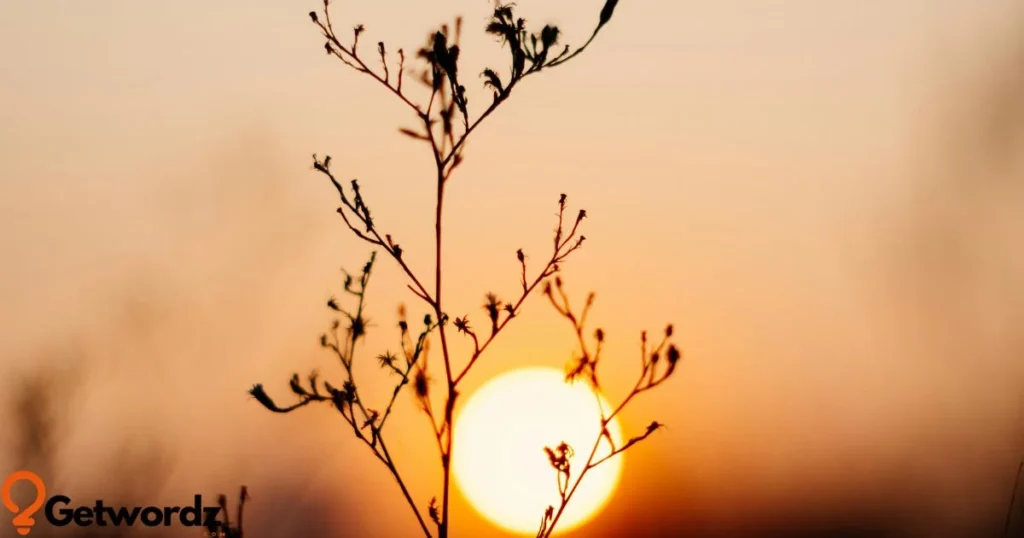
Early light is the soft glow before full sunrise, while fading light is the dim light after sunset.
Usage Scenario:
Used in photography, nature writing, and scenic descriptions.
Tone:
Soft, visual, and expressive.
Best Use Case:
Best for capturing natural lighting moods.
Examples:
- Birds fly in the early light.
- The valley looks calm in fading light.
- We walked in the early light of morning.
- The hills disappear in fading light.
Sunrise Hours and Sunset Hours
Meaning:
Sunrise hours refer to the time around sunrise, while sunset hours refer to the time around sunset.
Usage Scenario:
Used in travel planning, photography schedules, and daily activity timing.
Tone:
Practical and informative.
Best Use Case:
Best for scheduling outdoor activities.
Examples:
- Photography works best during sunrise hours.
- Sunset hours are perfect for beach walks.
- We planned our trip around sunrise hours.
- The city glows beautifully in sunset hours.
Morning Rise and Evening Fall
Meaning:
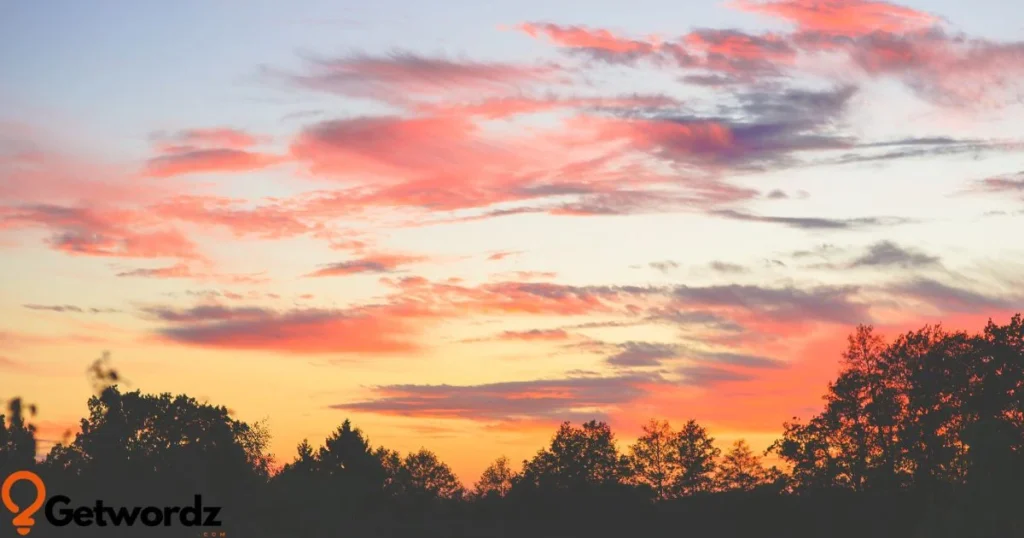
Morning rise refers to the rising of the sun, while evening fall refers to the fading of daylight into night.
Usage Scenario:
Used in poetic writing, storytelling, and nature descriptions.
Tone:
Poetic and reflective.
Best Use Case:
Best for emotional or artistic narration.
Examples:
- The mountains shine during morning rise.
- The sky changes color in evening fall.
- We enjoy calm walks in morning rise.
- The town sleeps at evening fall.
Dawn Light and Twilight
Meaning:
Dawn light is the soft light at sunrise, while twilight is the dim light after sunset.
Usage Scenario:
Used in literature, photography, and scenic storytelling.
Tone:
Poetic, calm, and atmospheric.
Best Use Case:
Best for visual and emotional descriptions.
Examples:
- The forest glows in dawn light.
- The city looks magical in twilight.
- Birds sing in dawn light.
- Stars appear during twilight.
Day’s Beginning and Day’s End
Meaning:
Day’s beginning refers to the start of the day, while day’s end refers to the closing hours of the day.
Usage Scenario:
Used in formal writing, diaries, and routine descriptions.
Tone:
Neutral and structured.
Best Use Case:
Best for daily schedule narration.
Examples:
- We plan our tasks at the day’s beginning.
- The day’s end is always peaceful.
- Energy is high at the day’s beginning.
- Reflection happens at the day’s end.
Read This: Funny Ways to Say Photographer(with Examples)2026
Sunrise Moment and Sunset Moment
Meaning:
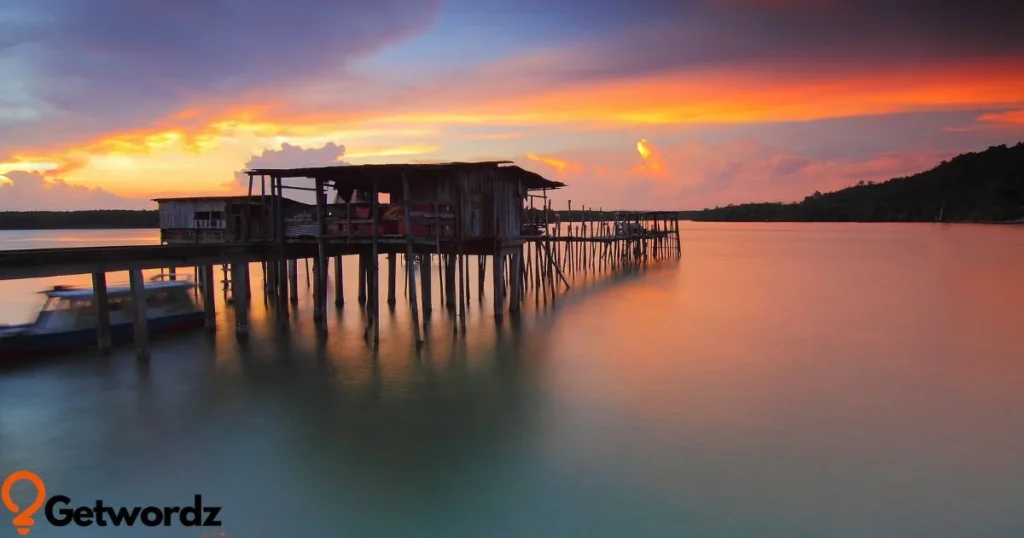
Sunrise moment is the exact time the sun appears, while sunset moment is the exact time the sun disappears.
Usage Scenario:
Used in photography, travel memories, and emotional storytelling.
Tone:
Emotional and scenic.
Best Use Case:
Best for capturing special moments.
Examples:
- We captured the sunrise moment perfectly.
- The sunset moment was unforgettable.
- The sunrise moment filled us with hope.
- The sunset moment felt peaceful.
Morning Horizon and Evening Horizon
Meaning:
Morning horizon is the sky view at sunrise, while evening horizon is the sky view at sunset.
Usage Scenario:
Used in travel writing, landscape description, and photography.
Tone:
Visual and descriptive.
Best Use Case:
Best for scenic and artistic content.
Examples:
- The morning horizon looked golden.
- The evening horizon turned red.
- Birds fly across the morning horizon.
- The evening horizon feels calm.
Light of Dawn and Shade of Dusk
Meaning:
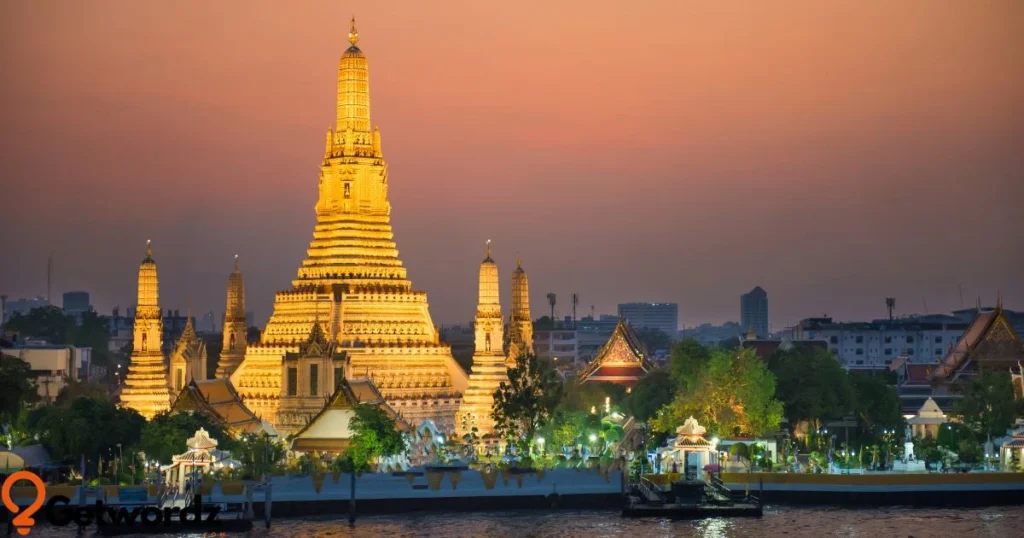
Light of dawn is the soft morning brightness, while shade of dusk is the dim evening shadow.
Usage Scenario:
Used in poetry, storytelling, and artistic writing.
Tone:
Poetic and expressive.
Best Use Case:
Best for emotional and literary descriptions.
Examples:
- The valley shines in the light of dawn.
- The city rests under the shade of dusk.
- Hope rises with the light of dawn.
- Silence grows in the shade of dusk.
Golden Morning and Golden Evening
Meaning:
Golden morning refers to sunrise light, while golden evening refers to sunset glow.
Usage Scenario:
Used in aesthetic writing, travel blogs, and photography descriptions.
Tone:
Warm and beautiful.
Best Use Case:
Best for scenic and visual storytelling.
Examples:
- The fields shine in golden morning.
- The beach glows in golden evening.
- Golden morning feels refreshing.
- Golden evening feels peaceful.
Early Sunrise and Late Sunset
Meaning:
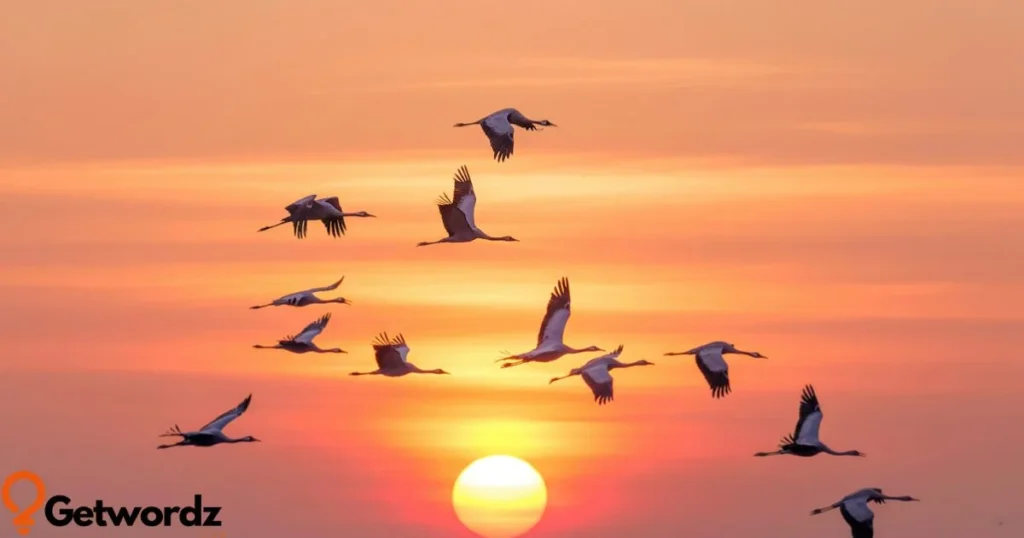
Early sunrise means the sun appears earlier than usual, while late sunset means the sun sets later in the day.
Usage Scenario:
Used in seasonal descriptions, travel planning, and daily routines.
Tone:
Informative and practical.
Best Use Case:
Best for time variations and seasonal content.
Examples:
- Summer has early sunrise.
- Late sunset gives longer evenings.
- We enjoy early sunrise in hills.
- Late sunset is perfect for walks.
Day Opening and Day Closing
Meaning:
Day opening refers to the start of the day, while day closing refers to the end of the day.
Usage Scenario:
Used in business routines, daily schedules, and structured writing.
Tone:
Professional and organized.
Best Use Case:
Best for formal or workplace communication.
Examples:
- Meetings happen at day opening.
- Reports are checked at day closing.
- Energy is fresh at day opening.
- Reflection happens at day closing.
Morning Emergence and Evening Disappearance
Meaning:
Morning emergence refers to the sun appearing, while evening disappearance refers to the sun going down.
Usage Scenario:
Used in poetic storytelling and nature observation writing.
Tone:
Poetic and reflective.
Best Use Case:
Best for creative descriptions of natural cycles.
Examples:
- The sun’s morning emergence is beautiful.
- Evening disappearance brings calmness.
- Morning emergence inspires hope.
- Evening disappearance ends the day softly.
Sunrise Sky and Sunset Sky
Meaning:
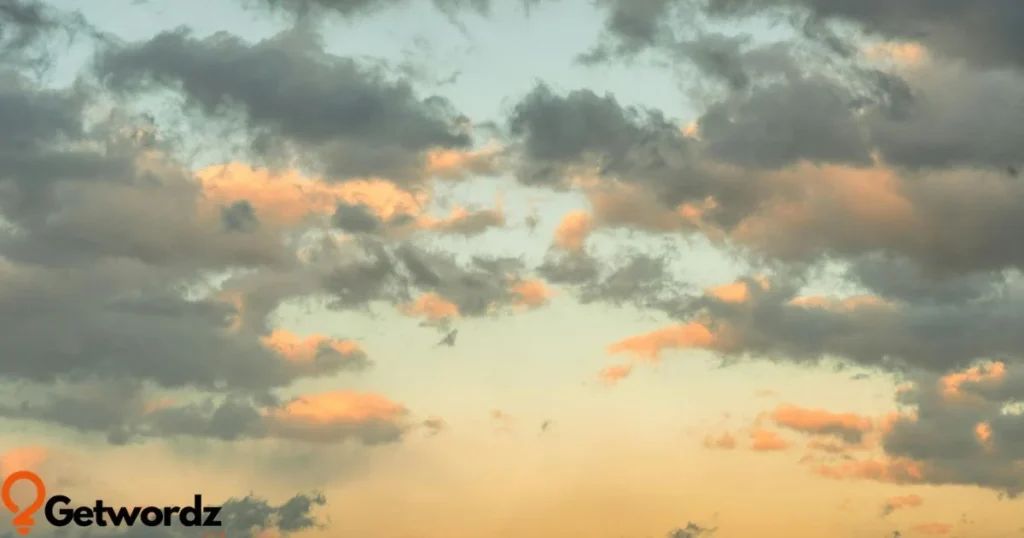
Sunrise sky is the colorful sky at morning, while sunset sky is the glowing sky at evening.
Usage Scenario:
Used in photography, travel writing, and scenic descriptions.
Tone:
Visual and aesthetic.
Best Use Case:
Best for landscape and sky-related content.
Examples:
- The sunrise sky was full of colors.
- The sunset sky looked magical.
- We photographed the sunrise sky.
- The sunset sky turned orange and pink.
First Sun and Last Sun
Meaning:
First sun is the first appearance of sunlight in the morning, while last sun is the final sunlight before night.
Usage Scenario:
Used in nature observation and poetic storytelling.
Tone:
Minimal, poetic.
Best Use Case:
Best for symbolic and emotional writing.
Examples:
- The first sun brings new hope.
- The last sun marks the end of the day.
- We saw the first sun in the hills.
- The last sun slowly faded away.
Rising Sun and Setting Sun
Meaning:
Rising sun refers to the sun appearing in the morning, while setting sun refers to it disappearing in the evening.
Usage Scenario:
Used in daily language, travel writing, and general descriptions.
Tone:
Simple and natural.
Best Use Case:
Best for explaining basic natural cycles.
Examples:
- The rising sun brightens the valley.
- The setting sun creates a warm glow.
- We watched the rising sun together.
- The setting sun felt peaceful.
Morning Awakening and Evening Resting
Meaning:
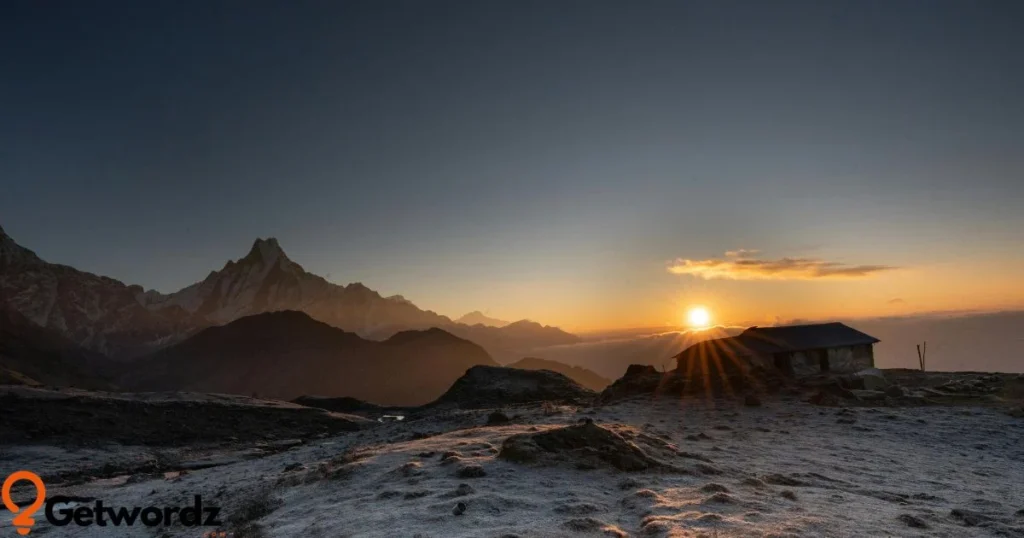
Morning awakening refers to the start of daily activity, while evening resting refers to relaxation after the day ends.
Usage Scenario:
Used in lifestyle writing, wellness content, and daily routines.
Tone:
Calm and reflective.
Best Use Case:
Best for wellness and routine-based content.
Examples:
- Morning awakening brings fresh energy.
- Evening resting helps relax the mind.
- We enjoy morning awakening in nature.
- Evening resting feels peaceful.
Dawn Breaking and Dusk Falling
Meaning:
Dawn breaking is when morning light appears, while dusk falling is when evening darkness arrives.
Usage Scenario:
Used in poetic writing, storytelling, and nature description.
Tone:
Poetic and atmospheric.
Best Use Case:
Best for emotional or literary content.
Examples:
- The sky glows as dawn is breaking.
- Dusk falling brings calm silence.
- We walked during dawn breaking.
- The world slows at dusk falling.
Sun’s Rise and Sun’s Descent
Meaning:
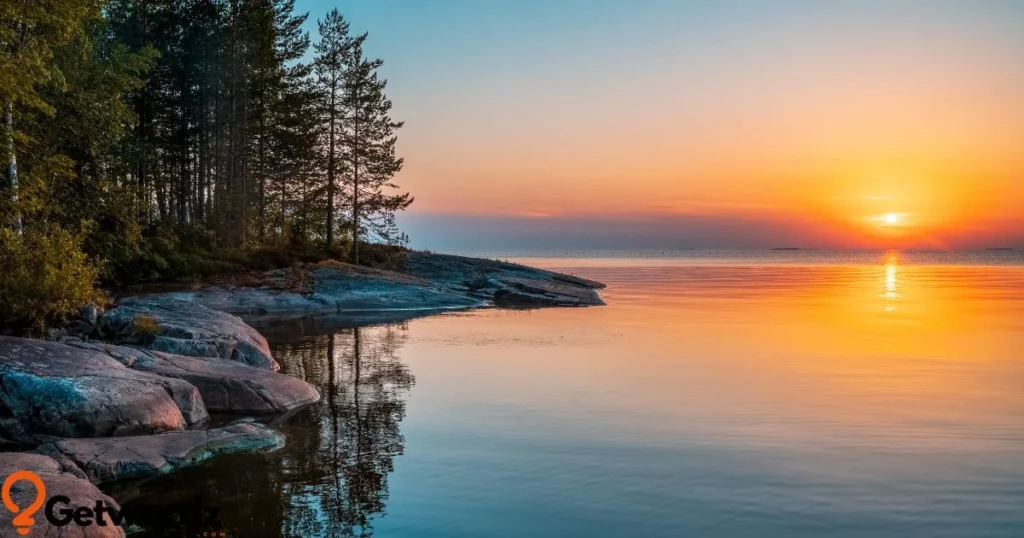
Sun’s rise is the sun appearing in the morning, while sun’s descent is its movement downward in the evening.
Usage Scenario:
Used in educational content, astronomy explanation, and storytelling.
Tone:
Scientific and descriptive.
Best Use Case:
Best for explaining solar movement.
Examples:
- The sun’s rise starts a new day.
- The sun’s descent ends the light.
- We observed the sun’s rise carefully.
- The sun’s descent painted the sky red.
Light Rising and Light Fading
Meaning:
Light rising refers to increasing brightness in the morning, while light fading refers to decreasing light in the evening.
Usage Scenario:
Used in photography, storytelling, and environmental descriptions.
Tone:
Soft and descriptive.
Best Use Case:
Best for visual and mood-based writing.
Examples:
- Light rising fills the valley.
- Light fading creates soft shadows.
- We captured light rising in photos.
- Light fading brings calmness.
Morning Arrival and Night Arrival
Meaning:
Morning arrival refers to the start of daylight, while night arrival refers to the beginning of darkness.
Usage Scenario:
Used in daily routines, travel writing, and time descriptions.
Tone:
Neutral and informative.
Best Use Case:
Best for explaining time transitions clearly.
Examples:
- Morning arrival signals a new day.
- Night arrival brings peace and rest.
- We started work at morning arrival.
- Night arrival ends the activity.
Sunrise View and Sunset View
Meaning:
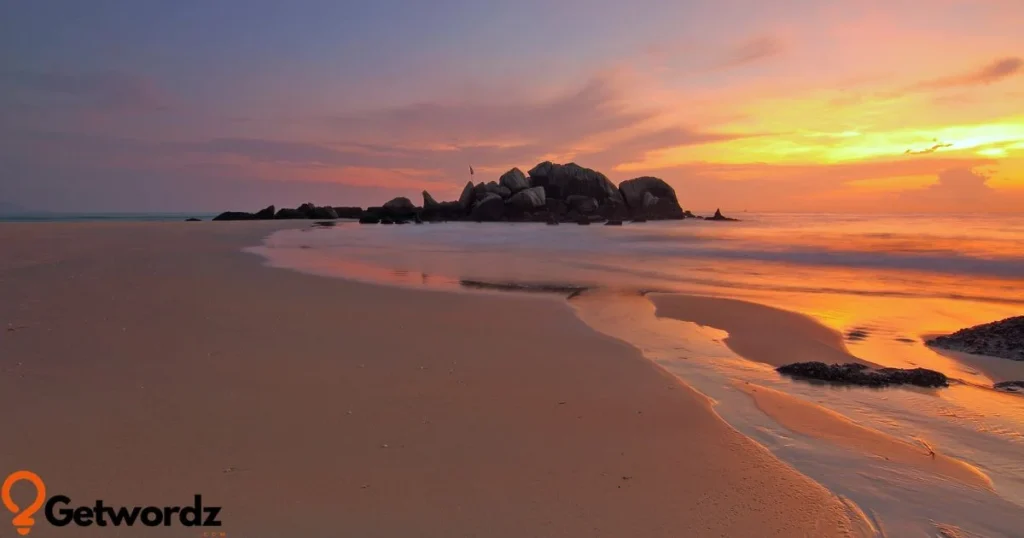
Sunrise view is the scenery of the rising sun, while sunset view is the scenery of the setting sun.
Usage Scenario:
Used in travel blogs, photography, and tourism content.
Tone:
Aesthetic and descriptive.
Best Use Case:
Best for scenic and visual storytelling.
Examples:
- The sunrise view was breathtaking.
- The sunset view felt magical.
- We enjoyed the sunrise view from the hill.
- The sunset view was unforgettable.
Daylight Birth and Daylight End
Meaning:
Daylight birth refers to the beginning of sunlight, while daylight end refers to the disappearance of sunlight.
Usage Scenario:
Used in poetic writing, nature observation, and storytelling.
Tone:
Poetic and expressive.
Best Use Case:
Best for symbolic and artistic descriptions.
Examples:
- The daylight birth filled the sky.
- The daylight end brought calmness.
- We watched daylight birth over mountains.
- Daylight end slowly covered the land.
Sunrise Glow and Sunset Glow
Meaning:
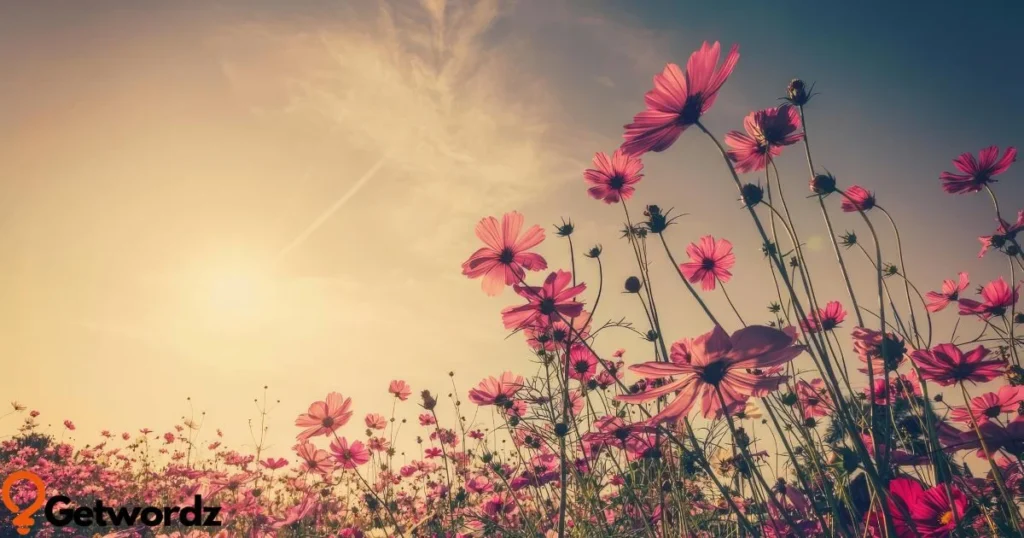
Sunrise glow is the soft golden light of morning, while sunset glow is the warm light of evening.
Usage Scenario:
Used in photography, aesthetic writing, and scenic storytelling.
Tone:
Warm and visual.
Best Use Case:
Best for beauty-focused descriptions.
Examples:
- The sunrise glow brightened the hills.
- The sunset glow painted the sky.
- We captured sunrise glow in photos.
- The sunset glow felt peaceful.
Morning Burst and Evening Fade
Meaning:
Morning burst refers to the sudden brightness of sunrise, while evening fade refers to the gradual loss of light at sunset.
Usage Scenario:
Used in creative writing, storytelling, and visual descriptions.
Tone:
Dynamic and expressive.
Best Use Case:
Best for dramatic and visual narratives.
Examples:
- The morning burst filled the sky with light.
- Evening fade brought calm silence.
- We witnessed the morning burst in the desert.
- The evening fade ended the day softly.
Read More: Innet Emoji Meaning: Definition, Uses & Hidden Symbolism
Sun’s Appearance and Sun’s Farewell
Meaning:
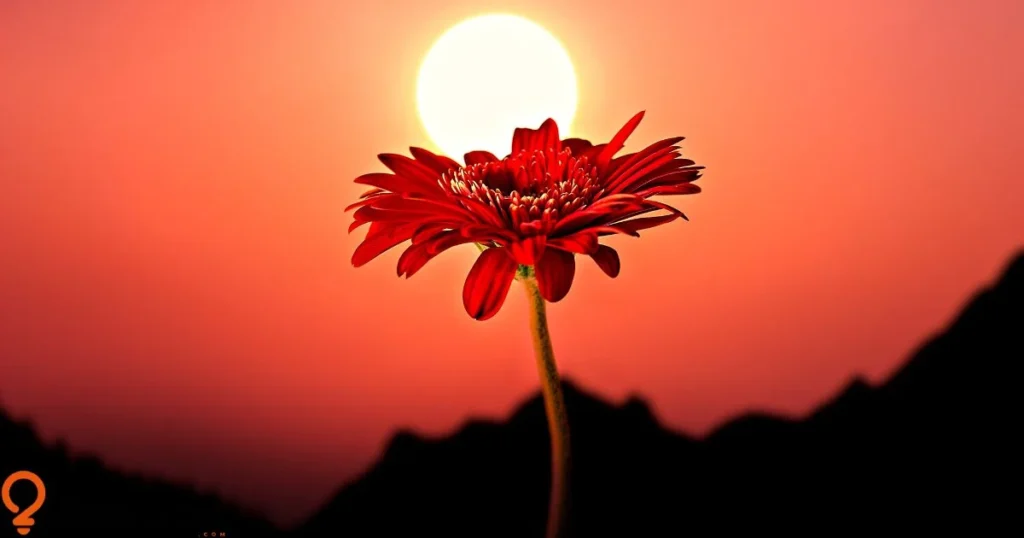
Sun’s appearance is the sunrise, while sun’s farewell is the sunset.
Usage Scenario:
Used in poetic storytelling, emotional writing, and nature description.
Tone:
Poetic and emotional.
Best Use Case:
Best for symbolic and reflective content.
Examples:
- The sun’s appearance brings hope.
- The sun’s farewell feels peaceful.
- We enjoyed the sun’s appearance over the hills.
- The sun’s farewell colored the sky.
Early Dawn and Late Dusk
Meaning:
Early dawn is the beginning stage of morning light, while late dusk is the final stage of evening darkness.
Usage Scenario:
Used in nature observation, photography, and storytelling.
Tone:
Calm and descriptive.
Best Use Case:
Best for extended time-based scenic descriptions.
Examples:
- Birds sing in early dawn.
- The sky darkens in late dusk.
- We walked during early dawn.
- The town sleeps at late dusk.
Morning Radiance and Evening Radiance
Meaning:
Morning radiance is the bright glow of sunrise, while evening radiance is the soft glow of sunset.
Usage Scenario:
Used in aesthetic writing, travel content, and visual storytelling.
Tone:
Warm and elegant.
Best Use Case:
Best for beauty and light-focused descriptions.
Examples:
- The valley shines in morning radiance.
- Evening radiance paints the sky.
- We captured morning radiance in photos.
- Evening radiance feels peaceful.
Daylight Opening and Twilight Closing

Meaning:
Daylight opening is the start of sunlight, while twilight closing is the end of visible light.
Usage Scenario:
Used in formal descriptions, storytelling, and nature writing.
Tone:
Neutral and structured.
Best Use Case:
Best for explaining full-day light cycles.
Examples:
- Daylight opening starts our journey.
- Twilight closing ends the day.
- We work from daylight opening to twilight closing.
- The village rests at twilight closing.
Horizon Rise and Horizon Set
Meaning:
Horizon rise refers to the sun appearing above the horizon, while horizon set refers to it disappearing below the horizon.
Usage Scenario:
Used in astronomy, photography, and travel descriptions.
Tone:
Descriptive and visual.
Best Use Case:
Best for explaining sun movement in scenic terms.
Examples:
- The horizon rise was beautiful to watch.
- The horizon set turned the sky orange.
- We waited for horizon rise in the hills.
- The horizon set ended the perfect day.
Key Insight
1. What is the basic meaning of sunrise and sunset?
Sunrise means the time when the sun appears in the morning, and sunset means when it disappears in the evening.
2. Why are these terms important?
They mark the natural start and end of the day, helping people understand time and daily routines.
3. Are sunrise and sunset only scientific terms?
No, they are also widely used in poetry, literature, and emotional writing to describe beauty and change.
4. Can these words have symbolic meaning?
Yes, they often represent new beginnings (sunrise) and endings or closure (sunset) in storytelling.
5. Why do writers use different expressions for them?
Because using creative alternatives makes writing more expressive, descriptive, and emotionally engaging.
Conclusion
Using different ways to say sunrise and sunset helps transform simple descriptions into beautiful, expressive, and engaging language. Instead of repeating basic terms, creative alternatives allow writers to add emotion, imagery, and depth to their content.
In storytelling, poetry, and digital content, words like dawn, dusk, twilight, and daybreak create a stronger visual experience. They help readers feel more connected to nature and the mood being described.
Ultimately, choosing the right expression depends on your purpose. Whether you want clarity or creativity, learning these alternative phrases for sunrise and sunset will instantly improve your writing style and make your content more impactful.