
“Have fun” simply means wishing someone an enjoyable, exciting, or pleasant experience in whatever they are about to do.
In everyday conversations, people often say “Have a good time”, “Enjoy yourself”, or “Have a great time”, but these phrases can start to feel repetitive. That’s why many people look for more natural and expressive alternatives like “Have a blast,” “Make the most of it,” “Enjoy every moment,” “Have a wonderful time,” “Have an amazing time,” or “Enjoy the moment.” Depending on the situation, you might also use “Have a fantastic time,” “Enjoy your adventure,” “Have a fun-filled time,” “Enjoy the ride,” “Have a cheerful time,” or “Make it fun.”
From casual chats with friends to polite messages for colleagues, family, or a partner, using different expressions like “Have a good one,” “Have a joyful time,” or “Enjoy your experience” makes your words feel more personal and meaningful. Let’s explore even more creative ways to say it.
What Does “Have Fun” Mean?
The phrase “have fun” is a simple way to wish someone enjoyment, excitement, or a positive experience in whatever they are about to do. It is commonly used in both casual and friendly communication to express good intentions.
In everyday life, it can apply to many situations like going on a trip, attending an event, or starting an activity. While it is short and universal, people often look for more expressive alternatives to make their message feel warmer, richer, and more personal.
When to Use “Have Fun”
You can use “have fun” when someone is heading out to enjoy themselves, such as meeting friends, traveling, or attending celebrations. It works best in informal and friendly conversations.
It is commonly used in texting, social media, and casual speech. However, in more emotional or formal situations, stronger or more creative phrases can feel more meaningful, thoughtful, and engaging.
Is It Professional or Polite to Say “Have Fun”
In most casual workplaces, saying “have fun” is polite and friendly, especially when someone is attending a team event or celebration. It shows warmth and positivity without being too formal.
However, in strictly professional or formal communication, alternatives like “enjoy your time” or “have a pleasant experience” may sound more appropriate, respectful, and refined.
When Should You Use These Alternatives?
You should use alternatives when you want to avoid repetition or add more personality and emotion to your message. Instead of always saying “have fun,” switching expressions keeps communication fresh, engaging, and impactful.
For example, phrases like “make the most of it,” “enjoy every moment,” or “have a fantastic time” work better in emotional, friendly, or expressive contexts.
What Can I Say Instead of “Have Fun”
Instead of repeating the same phrase, you can say “have a blast,” “enjoy yourself,” “make it enjoyable,” or “have a wonderful time.” These alternatives feel more natural, expressive, and engaging.
Other great options include “have a good time,” “enjoy your adventure,” “have a joyful time,” and “enjoy your experience,” depending on the situation and relationship.
How Do You Say “Enjoy” in a Cool Way?
A cool way to say “enjoy” is to use more expressive phrases like “live it up,” “have a blast,” “enjoy the ride,” or “make it count.” These give your message a more modern, fun, and energetic tone.
You can also use variations like “enjoy every second,” “have an awesome time,” or “make the most of it” to sound more natural, confident, and engaging in casual conversations.
How Do You Say “Have Fun and Enjoy”?
Instead of repeating both words, you can combine meaning in smoother ways like “have a fantastic time,” “enjoy every moment,” or “make it a great experience.” These sound more polished, natural, and expressive.
Other creative options include “have a fun-filled time,” “enjoy yourself fully,” or “make it unforgettable,” which add more emotion, depth, and excitement to your message.
Synonyms for “Have Fun”
Enjoy yourself
Meaning:
“Enjoy yourself” means to take pleasure in what you are doing and fully experience happiness or satisfaction in a moment.
Usage Scenario:
It is commonly used in social interaction, friendly messaging, and casual professional communication when someone is going out, traveling, or attending an event. It also appears in light networking communication where tone remains warm and polite.
Tone:
Friendly, warm, and polite.
Best Use Case:
Perfect for informal conversations, short messages, or when wishing someone well before an activity or trip.
Examples:
- Enjoy yourself at the party tonight!
- I hope you enjoy yourself during your vacation.
- Enjoy yourself and don’t worry about work today.
- Just relax and enjoy yourself this weekend.
Have a blast

Meaning:
“Have a blast” means to have an extremely fun, exciting, and energetic experience.
Usage Scenario:
Used in casual conversations, social gatherings, and friendly texting when someone is attending parties, trips, or celebrations. It is popular in youthful and expressive communication styles.
Tone:
Casual, energetic, and enthusiastic.
Best Use Case:
Best used with friends or close connections before fun or high-energy events.
Examples:
- Have a blast at the concert tonight!
- Hope you have a blast on your trip.
- Have a blast with your friends this weekend.
- You’re going to have a blast at the event!
Have a great time
Meaning:
“Have a great time” is a polite way to wish someone a positive and enjoyable experience.
Usage Scenario:
Common in professional etiquette, email introduction closings, and friendly communication where a balanced tone is required. It works in both personal and work-related contexts.
Tone:
Neutral, polite, and friendly.
Best Use Case:
Ideal for workplace messages, formal chats, and general well-wishing.
Examples:
- Have a great time at the conference.
- I hope you have a great time with your family.
- Have a great time during your break.
- Wishing you have a great time at the event.
Make the most of it

Meaning:
“Make the most of it” means to fully utilize and enjoy an opportunity or situation.
Usage Scenario:
Used in motivational communication, career advice, and personal encouragement, especially in professional development or life guidance contexts.
Tone:
Encouraging, motivational, and supportive.
Best Use Case:
Best for situations where someone has a limited opportunity like travel, events, or learning experiences.
Examples:
- Make the most of your internship experience.
- You should make the most of your vacation.
- Make the most of this opportunity while it lasts.
- Try to make the most of your time abroad.
Have a good one
Meaning:
“Have a good one” is a short, informal way to wish someone a pleasant day or experience.
Usage Scenario:
Common in casual social interaction, quick goodbyes, and friendly workplace communication.
Tone:
Casual, friendly, and relaxed.
Best Use Case:
Perfect for quick conversations, texting, or ending informal chats.
Examples:
- Have a good one, see you tomorrow!
- Take care and have a good one.
- Hope you have a good one at work.
- Have a good one, enjoy your day!
Live it up
Meaning:
“Live it up” means to enjoy life fully and experience excitement without holding back.
Usage Scenario:
Used in social events, celebrations, and travel conversations, especially when encouraging someone to enjoy luxury, fun, or freedom.
Tone:
Energetic, bold, and lively.
Best Use Case:
Best for vacations, parties, or special occasions where enjoyment is the focus.
Examples:
- Live it up on your birthday trip!
- You deserve to live it up this weekend.
- Go ahead and live it up while you’re in the city.
- It’s time to live it up and enjoy life.
Savor the moment
Meaning:
“Savor the moment” means to deeply appreciate and enjoy a special experience slowly and meaningfully.
Usage Scenario:
Common in emotional communication, travel experiences, and reflective storytelling, especially in meaningful life events.
Tone:
Reflective, emotional, and thoughtful.
Best Use Case:
Best used during memorable occasions like weddings, achievements, or travel experiences.
Examples:
- Savor the moment of your graduation day.
- You should savor the moment while it lasts.
- Savor the moment during your vacation.
- Just pause and savor the moment.
Enjoy every second

Meaning:
“Enjoy every second” means to fully appreciate each moment without missing anything.
Usage Scenario:
Used in motivational, emotional, and personal encouragement messages, especially for important or exciting events.
Tone:
Warm, supportive, and inspiring.
Best Use Case:
Perfect for travel, celebrations, or once-in-a-lifetime experiences.
Examples:
- Enjoy every second of your trip!
- I hope you enjoy every second of the concert.
- Enjoy every second of your special day.
- You’ll enjoy every second of this experience.
Have the time of your life
Meaning:
“Have the time of your life” means experiencing something extremely joyful, unforgettable, and exciting.
Usage Scenario:
Used in major celebrations, travel experiences, and milestone events, often in emotional or enthusiastic communication.
Tone:
Highly expressive, emotional, and exciting.
Best Use Case:
Best for weddings, parties, vacations, or major life events.
Examples:
- Have the time of your life at the wedding!
- You’re going to have the time of your life in Dubai.
- I hope you have the time of your life tonight.
- Have the time of your life on your adventure.
Have a laugh
Meaning:
“Have a laugh” means to enjoy humor, fun moments, and lighthearted experiences.
Usage Scenario:
Common in social gatherings, friendly chats, and casual entertainment situations where humor is involved.
Tone:
Casual, fun, and relaxed.
Best Use Case:
Best for hangouts, jokes, or informal group interactions.
Examples:
- Go out and have a laugh with your friends.
- We always have a laugh when we meet.
- Hope you have a laugh tonight!
- Just relax and have a laugh this weekend.
Have a joyful time
Meaning:
“Have a joyful time” means to experience happiness, peace, and emotional satisfaction.
Usage Scenario:
Used in polite communication, greetings, and respectful messaging, especially in formal or semi-formal settings.
Tone:
Polite, warm, and respectful.
Best Use Case:
Best for family messages, formal notes, or respectful wishes.
Examples:
- Have a joyful time with your family.
- I wish you have a joyful time at the event.
- Have a joyful time during your holidays.
- Hope you have a joyful time ahead.
Have a wonderful day

Meaning:
“Have a wonderful day” is a polite wish for someone to experience a pleasant and happy day.
Usage Scenario:
Used in email closings, professional communication, and daily greetings in both formal and informal contexts.
Tone:
Polite, professional, and friendly.
Best Use Case:
Perfect for workplace emails, customer service, and respectful conversations.
Examples:
- Have a wonderful day ahead!
- Thank you, have a wonderful day.
- Have a wonderful day at work.
- Wishing you have a wonderful day today.
Have the best time
Meaning:
“Have the best time” means wishing someone the highest level of enjoyment in an experience.
Usage Scenario:
Used in friendly communication, celebrations, and personal messages to show strong positivity and support.
Tone:
Enthusiastic, friendly, and positive.
Best Use Case:
Ideal for vacations, parties, and special life events.
Examples:
- Have the best time on your trip!
- Hope you have the best time at the party.
- Have the best time with your friends.
- Wishing you have the best time ever.
Have a lovely time
Meaning:
“Have a lovely time” means to experience something pleasant, calm, and enjoyable.
Usage Scenario:
Used in polite communication, warm greetings, and gentle well-wishing, especially in respectful conversations.
Tone:
Soft, polite, and warm.
Best Use Case:
Best for family messages, formal greetings, and kind wishes.
Examples:
- Have a lovely time with your family.
- I hope you have a lovely time today.
- Have a lovely time at the gathering.
- Wishing you a lovely time ahead.
Enjoy the ride
Meaning:
“Enjoy the ride” means to accept and appreciate the journey or process of life or an experience.
Usage Scenario:
Used in motivational communication, personal growth discussions, and life advice contexts.
Tone:
Inspirational, reflective, and positive.
Best Use Case:
Best for career journeys, travel, or life experiences.
Examples:
- Enjoy the ride and trust the process.
- Life is short, so enjoy the ride.
- Just enjoy the ride and learn from it.
- Enjoy the ride of your new journey.
Have a great adventure

Meaning:
“Have a great adventure” means to wish someone an exciting, exploratory, and memorable experience.
Usage Scenario:
Used in travel communication, exploration, and motivational messaging, especially for trips or new experiences.
Tone:
Exciting, encouraging, and adventurous.
Best Use Case:
Best for vacations, travel plans, or outdoor experiences.
Examples:
- Have a great adventure in the mountains!
- I hope you have a great adventure abroad.
- Have a great adventure with your friends.
- Wishing you a great adventure ahead.
Have a memorable time
Meaning:
“Have a memorable time” means to experience something that will be remembered for a long time.
Usage Scenario:
Used in formal greetings, event invitations, and emotional communication for special occasions.
Tone:
Warm, thoughtful, and polite.
Best Use Case:
Best for weddings, ceremonies, and milestone events.
Examples:
- Have a memorable time at your wedding.
- I hope you have a memorable time today.
- Have a memorable time during your trip.
- Wishing you a memorable time ahead.
Enjoy your day
Meaning:
“Enjoy your day” means to wish someone a pleasant and happy day ahead.
Usage Scenario:
Common in daily greetings, email sign-offs, and customer communication.
Tone:
Polite, friendly, and professional.
Best Use Case:
Best for everyday conversations and workplace communication.
Examples:
- Enjoy your day at work!
- Hope you enjoy your day ahead.
- Enjoy your day with your friends.
- Wishing you a great day, enjoy your day!
Celebrate yourself
Meaning:
“Celebrate yourself” means to recognize and enjoy your own achievements, happiness, or moment.
Usage Scenario:
Used in motivational, self-growth, and emotional encouragement communication.
Tone:
Empowering, motivational, and positive.
Best Use Case:
Best for achievements, milestones, and personal success moments.
Examples:
- Celebrate yourself for your hard work.
- It’s time to celebrate yourself today.
- Celebrate yourself and your achievements.
- Don’t forget to celebrate yourself.
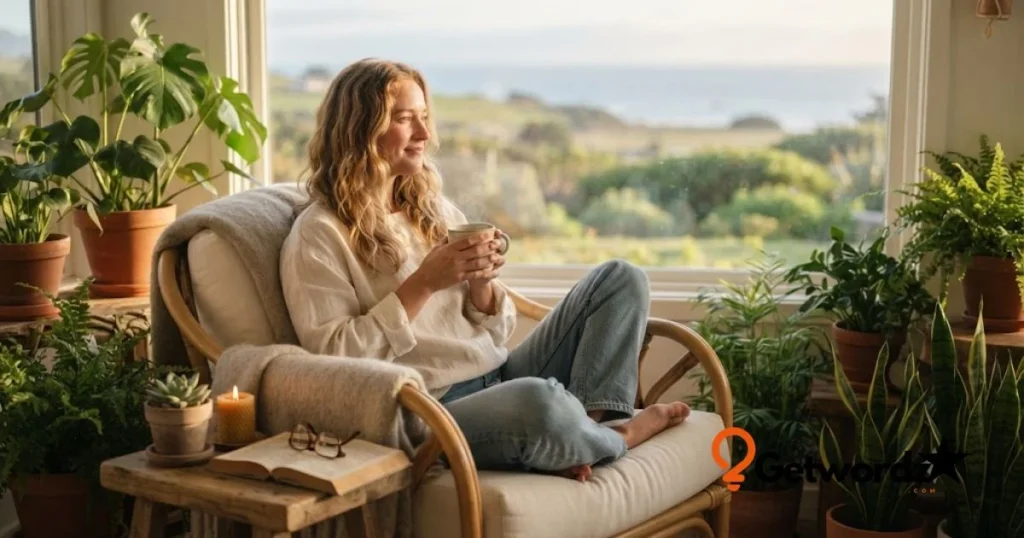
Take it easy
Meaning:
“Take it easy” means to relax, reduce stress, and not worry too much.
Usage Scenario:
Used in casual conversations, friendly advice, and stress-relief communication.
Tone:
Relaxed, casual, and comforting.
Best Use Case:
Best when someone is stressed, busy, or needs rest.
Examples:
- Take it easy this weekend.
- Just take it easy and relax.
- Take it easy after work.
- You should take it easy today.
Enjoy the moment
Meaning:
“Enjoy the moment” means to fully appreciate the present experience without distraction.
Usage Scenario:
Used in emotional, motivational, and mindfulness communication, especially during special or meaningful times.
Tone:
Thoughtful, calm, and reflective.
Best Use Case:
Best for important life events, travel, or emotional moments.
Examples:
- Enjoy the moment while it lasts.
- Just enjoy the moment today.
- Enjoy the moment with your loved ones.
- Take a breath and enjoy the moment.
Enjoy the moment
Meaning:
“Enjoy the moment” means to fully focus on and appreciate what is happening right now without stress or distraction.
Usage Scenario:
Used in travel, celebrations, and personal experiences where someone is encouraged to stay present and value the experience. It is also common in friendly communication and emotional messages.
Tone:
Calm, reflective, and supportive.
Best Use Case:
Best for meaningful life events, vacations, or special memories where presence matters more than planning ahead.
Examples:
- Enjoy the moment while you’re on your trip.
- Just relax and enjoy the moment today.
- Enjoy the moment with your friends and family.
- Take a deep breath and enjoy the moment.
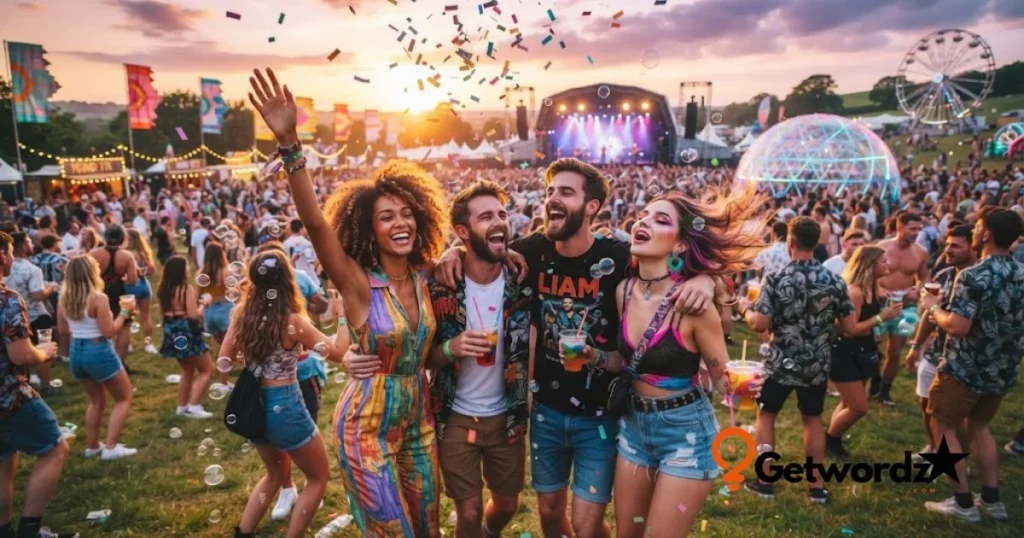
Have an amazing time
Meaning:
“Have an amazing time” means wishing someone a highly enjoyable, exciting, and memorable experience.
Usage Scenario:
Used in social interaction, casual texting, and event wishes like parties, trips, concerts, or celebrations.
Tone:
Enthusiastic, friendly, and positive.
Best Use Case:
Best for fun events, vacations, and social gatherings.
Examples:
- Have an amazing time at the party!
- Hope you have an amazing time on your trip.
- Have an amazing time with your friends.
- You’re going to have an amazing time tonight.
Have a cheerful day
Meaning:
“Have a cheerful day” means wishing someone a happy, positive, and bright day ahead.
Usage Scenario:
Used in daily greetings, workplace communication, and polite conversations to spread positivity.
Tone:
Polite, light, and warm.
Best Use Case:
Best for morning messages, emails, and professional-friendly interactions.
Examples:
- Have a cheerful day at work!
- Wishing you a cheerful day ahead.
- Have a cheerful day with your loved ones.
- Hope you enjoy a cheerful day today.
Have some fun
Meaning:
“Have some fun” means to relax and enjoy yourself in a light and casual way.
Usage Scenario:
Used in informal conversations, friendly advice, and casual messaging when encouraging enjoyment.
Tone:
Casual, relaxed, and friendly.
Best Use Case:
Best for friends, classmates, or informal situations.
Examples:
- Go out and have some fun tonight!
- You deserve to have some fun this weekend.
- Have some fun with your friends.
- Just relax and have some fun.
Make happy memories
Meaning:
“Make happy memories” means creating joyful moments that will be remembered for a long time.
Usage Scenario:
Used in emotional communication, travel wishes, and family or special occasion messages.
Tone:
Warm, emotional, and meaningful.
Best Use Case:
Best for vacations, celebrations, and important life moments.
Examples:
- Make happy memories on your vacation.
- Hope you make happy memories today.
- Make happy memories with your family.
- This trip will help you make happy memories.
Soak it all in
Meaning:
“Soak it all in” means to fully experience and mentally absorb every detail of a moment.
Usage Scenario:
Used in travel experiences, concerts, celebrations, and emotional life events where moments are special.
Tone:
Reflective, expressive, and emotional.
Best Use Case:
Best for once-in-a-lifetime experiences and unforgettable events.
Examples:
- Soak it all in during your vacation.
- Just soak it all in and enjoy everything.
- Soak it all in—you deserve this moment.
- Soak it all in while you’re there.
Enjoy every moment
Meaning:
“Enjoy every moment” means to value and appreciate each part of an experience fully.
Usage Scenario:
Used in motivational messages, friendly communication, and emotional encouragement.
Tone:
Warm, supportive, and positive.
Best Use Case:
Best for trips, celebrations, and meaningful life experiences.
Examples:
- Enjoy every moment of your journey.
- I hope you enjoy every moment today.
- Enjoy every moment with your loved ones.
- Make sure to enjoy every moment.
Hope you have a blast
Meaning:
“Hope you have a blast” means wishing someone a very fun, exciting, and energetic experience.
Usage Scenario:
Used in casual texting, party invites, and social conversations.
Tone:
Fun, energetic, and informal.
Best Use Case:
Best for parties, trips, concerts, and social events.
Examples:
- Hope you have a blast at the concert!
- I hope you have a blast tonight.
- Hope you have a blast on your trip.
- Have fun—I hope you have a blast!
Live the moment fully

Meaning:
“Live the moment fully” means to experience life with complete attention and enjoyment.
Usage Scenario:
Used in motivational, inspirational, and self-growth communication.
Tone:
Deep, reflective, and inspiring.
Best Use Case:
Best for travel, achievements, and meaningful life experiences.
Examples:
- Live the moment fully during your trip.
- You should live the moment fully today.
- Live the moment fully and forget worries.
- Just live the moment fully and enjoy.
Enjoy the experience
Meaning:
“Enjoy the experience” means to appreciate everything happening in a situation or event.
Usage Scenario:
Used in professional, educational, and travel contexts where learning or participation matters.
Tone:
Polite, neutral, and positive.
Best Use Case:
Best for workshops, travel, training, or events.
Examples:
- Enjoy the experience at the workshop.
- I hope you enjoy the experience abroad.
- Enjoy the experience and learn from it.
- You will enjoy the experience for sure.
Have an unforgettable time
Meaning:
“Have an unforgettable time” means wishing someone a deeply memorable and special experience.
Usage Scenario:
Used in emotional messages, celebrations, weddings, and travel wishes.
Tone:
Warm, expressive, and emotional.
Best Use Case:
Best for milestone events, vacations, and once-in-a-lifetime moments.
Examples:
- Have an unforgettable time at your wedding.
- Hope you have an unforgettable time in Dubai.
- Have an unforgettable time on your trip.
- You’ll have an unforgettable time there.
Enjoy your well-deserved break
Meaning:
“Enjoy your well-deserved break” means someone should relax and enjoy rest after hard work or effort.
Usage Scenario:
Used in professional communication, workplace messages, and respectful greetings.
Tone:
Formal, polite, and appreciative.
Best Use Case:
Best for colleagues, employees, or academic breaks.
Examples:
- Enjoy your well-deserved break!
- Hope you enjoy your well-deserved break.
- Take it easy and enjoy your break.
- Enjoy your well-deserved time off.
Make great memories
Meaning:
“Make great memories” means creating meaningful, joyful experiences that will be remembered for a long time.
Usage Scenario:
Used in travel wishes, family gatherings, and emotional communication where people want to encourage positive life moments.
Tone:
Warm, emotional, and positive.
Best Use Case:
Best for vacations, celebrations, and special life events.
Examples:
- Make great memories on your trip.
- Hope you make great memories today.
- Make great memories with your friends.
- This is your chance to make great memories.
Have a carefree day
Meaning:
“Have a carefree day” means wishing someone a day without stress, worries, or pressure.
Usage Scenario:
Used in friendly conversations, relaxation messages, and casual greetings.
Tone:
Relaxed, comforting, and positive.
Best Use Case:
Best for weekends, holidays, or breaks from work or study.
Examples:
- Have a carefree day at the beach!
- Wishing you a carefree day ahead.
- Just relax and have a carefree day.
- Hope you enjoy a carefree day today.
Enjoy your time out
Meaning:
“Enjoy your time out” means to make the most of a short break or outing away from routine.
Usage Scenario:
Used in workplace communication, casual plans, and friendly messages.
Tone:
Friendly, polite, and relaxed.
Best Use Case:
Best for breaks, short trips, or social outings.
Examples:
- Enjoy your time out with friends.
- Hope you enjoy your time out today.
- Have fun and enjoy your time out.
- Enjoy your time out and relax.
Have an awesome time
Meaning:
“Have an awesome time” means wishing someone a very exciting and enjoyable experience.
Usage Scenario:
Used in casual texting, social media, and friendly conversations.
Tone:
Energetic, fun, and informal.
Best Use Case:
Perfect for parties, trips, and social events.
Examples:
- Have an awesome time at the party!
- Hope you have an awesome time tonight.
- Have an awesome time with your friends.
- You’re going to have an awesome time.
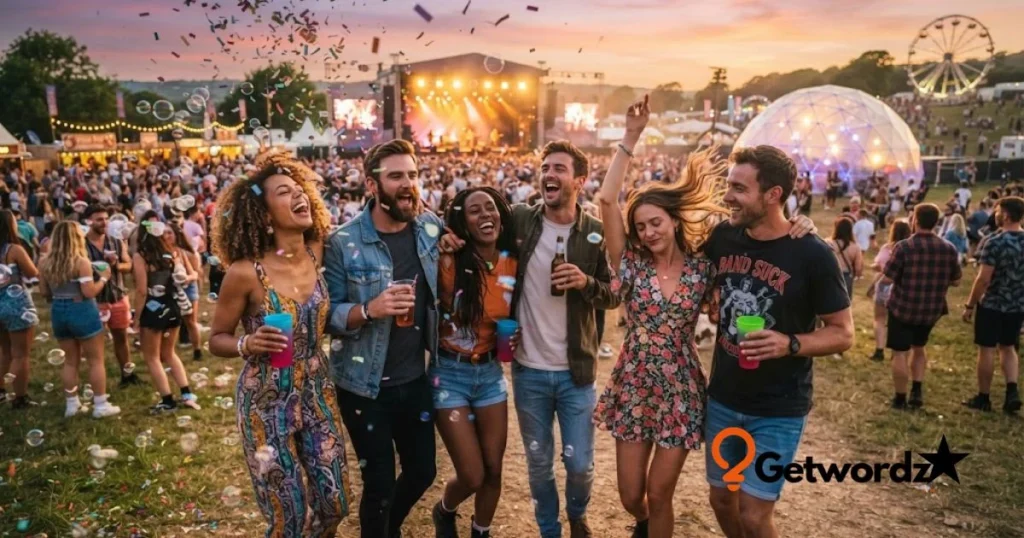
Have a fantastic time
Meaning:
“Have a fantastic time” means wishing someone a highly enjoyable, happy, and memorable experience.
Usage Scenario:
Used in friendly, professional, and celebratory communication.
Tone:
Positive, warm, and engaging.
Best Use Case:
Best for travel, events, and celebrations.
Examples:
- Have a fantastic time on your trip!
- Hope you have a fantastic time today.
- Have a fantastic time at the event.
- You’ll have a fantastic time for sure.
Wishing you lots of fun
Meaning:
This phrase means expressing a strong wish that someone enjoys a fun and happy experience.
Usage Scenario:
Used in friendly messages, invitations, and casual social interaction.
Tone:
Cheerful, warm, and positive.
Best Use Case:
Best for parties, trips, and informal greetings.
Examples:
- Wishing you lots of fun at the concert!
- Wishing you lots of fun on your trip.
- Wishing you lots of fun today.
- Have fun—wishing you lots of fun!
Hope you enjoy every bit of it
Meaning:
This means wishing someone to fully enjoy all parts of an experience without missing anything.
Usage Scenario:
Used in emotional messages, travel wishes, and thoughtful communication.
Tone:
Warm, caring, and expressive.
Best Use Case:
Best for vacations, special events, and meaningful experiences.
Examples:
- Hope you enjoy every bit of your vacation.
- I hope you enjoy every bit of it today.
- Hope you enjoy every bit of this moment.
- Enjoy it all—I hope you enjoy every bit of it.
Have a refreshing break
Meaning:
“Have a refreshing break” means wishing someone a relaxing and energizing pause from work or routine.
Usage Scenario:
Used in professional communication, workplace messages, and polite conversations.
Tone:
Calm, polite, and respectful.
Best Use Case:
Best for office breaks, holidays, or study breaks.
Examples:
- Have a refreshing break this weekend.
- Hope you have a refreshing break ahead.
- Enjoy your break and feel refreshed.
- Have a refreshing break after work.
Enjoy your weekend vibes
Meaning:
This means wishing someone a relaxed, happy, and enjoyable weekend mood.
Usage Scenario:
Used in casual chats, social media posts, and friendly greetings.
Tone:
Relaxed, modern, and friendly.
Best Use Case:
Perfect for weekend messages and informal communication.
Examples:
- Enjoy your weekend vibes!
- Hope you enjoy your weekend vibes fully.
- Have fun and enjoy your weekend vibes.
- Enjoy your weekend vibes with friends.
Make it a fun-filled day
Meaning:
This means encouraging someone to make their day full of enjoyment and happiness.
Usage Scenario:
Used in motivational messages, casual greetings, and social interaction.
Tone:
Positive, cheerful, and energetic.
Best Use Case:
Best for outings, events, or celebrations.
Examples:
- Make it a fun-filled day today!
- Hope you make it a fun-filled day.
- Go out and make it a fun-filled day.
- Let’s make it a fun-filled day together.
Have an exciting time ahead
Meaning:
This means wishing someone a future experience filled with excitement and enjoyment.
Usage Scenario:
Used in future plans, travel wishes, and motivational communication.
Tone:
Encouraging, positive, and warm.
Best Use Case:
Best for upcoming trips, events, or opportunities.
Examples:
- Have an exciting time ahead in your journey.
- Wishing you an exciting time ahead.
- Hope you have an exciting time ahead.
- You’ll have an exciting time ahead for sure.
Enjoy every single moment
Meaning:
This means to fully appreciate and value each part of an experience deeply.
Usage Scenario:
Used in emotional, motivational, and personal messages.
Tone:
Warm, reflective, and supportive.
Best Use Case:
Best for travel, celebrations, and important life events.
Examples:
- Enjoy every single moment of your trip.
- I hope you enjoy every single moment today.
- Enjoy every single moment with your loved ones.
- Make sure to enjoy every single moment.
Hope you have an epic time
Meaning:
This means wishing someone an extremely exciting, unforgettable, and fun experience.
Usage Scenario:
Used in casual, modern, and expressive communication like texting and social media.
Tone:
Energetic, bold, and fun.
Best Use Case:
Best for parties, trips, and adventurous events.
Examples:
- Hope you have an epic time tonight!
- I hope you have an epic time on your trip.
- Have an epic time with your friends.
- You’re going to have an epic time!
Make the day count
Meaning:
This means to use the day meaningfully and enjoy it fully without wasting time.
Usage Scenario:
Used in motivational communication, self-growth messages, and life advice.
Tone:
Inspirational, strong, and thoughtful.
Best Use Case:
Best for important days, opportunities, or personal goals.
Examples:
- Make the day count and enjoy it fully.
- You should make the day count today.
- Make the day count—it’s a special one.
- Don’t waste it, make the day count.
Have a vibe-filled day
Meaning:
This means having a day full of positive energy, enjoyment, and good feelings.
Usage Scenario:
Used in modern casual communication, social media, and friendly chats.
Tone:
Trendy, relaxed, and fun.
Best Use Case:
Best for informal greetings and social posts.
Examples:
- Have a vibe-filled day with friends!
- Hope you have a vibe-filled day ahead.
- Enjoy your vibe-filled day today.
- Wishing you a chill vibe-filled day.
Enjoy your journey
Meaning:
This means to appreciate the process of traveling or going through life experiences.
Usage Scenario:
Used in travel communication, motivational advice, and personal growth messages.
Tone:
Reflective, encouraging, and warm.
Best Use Case:
Best for trips, life goals, and long-term experiences.
Examples:
- Enjoy your journey to the mountains.
- I hope you enjoy your journey in life.
- Enjoy your journey and learn from it.
- Have fun and enjoy your journey ahead.
Have a stress-free time
Meaning:
This means wishing someone a peaceful and worry-free experience.
Usage Scenario:
Used in professional communication, supportive messages, and friendly conversations.
Tone:
Calm, caring, and reassuring.
Best Use Case:
Best for exams, work breaks, or busy schedules.
Examples:
- Have a stress-free time during your break.
- Hope you have a stress-free time today.
- Wishing you a stress-free time ahead.
- Just relax and have a stress-free time.
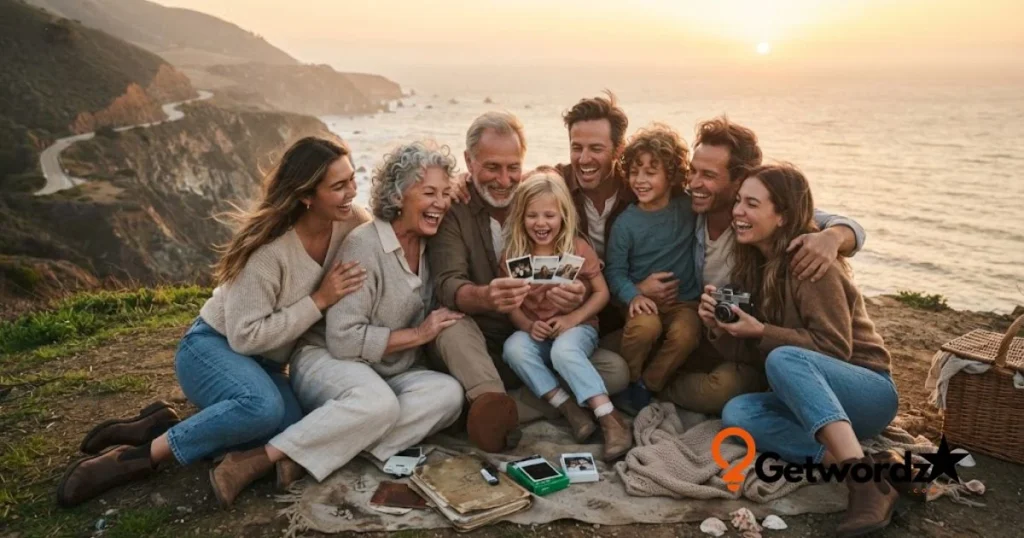
Create unforgettable memories
Meaning:
This means making special moments that will be remembered for a lifetime.
Usage Scenario:
Used in emotional messages, travel wishes, and celebration communication.
Tone:
Warm, expressive, and meaningful.
Best Use Case:
Best for weddings, vacations, and milestone events.
Examples:
- Create unforgettable memories on your trip.
- Hope you create unforgettable memories today.
- Create unforgettable memories with your loved ones.
- This is your chance to create unforgettable memories.
Pros and cons of Using Other Ways to Say “Have Fun”
Pros
- Adds variety and freshness to your communication, making messages feel less repetitive and more engaging in everyday conversations.
- Helps you express different emotions and tones such as excitement, warmth, professionalism, or friendliness depending on the situation.
- Improves social interaction and relationship building by making your messages feel more personal and thoughtful.
- Enhances writing quality and communication skills, especially in emails, captions, and casual or formal messaging.
- Makes your language sound more natural, expressive, and human-like, which improves overall clarity and impact.
Cons
- Some alternatives may feel too formal or too casual depending on the situation, leading to tone mismatch.
- Overusing different phrases can sometimes create confusion in meaning if the context is not clear.
- Certain expressions may not be widely understood, especially in cross-cultural communication or professional settings.
- Using too many variations can make communication feel less consistent or slightly unnatural if forced.
- Beginners may find it hard to choose the right phrase for the right situation without practice or experience.
Conclusion
Using different ways to say “have fun” makes your communication more expressive, meaningful, and engaging. Instead of repeating the same phrase, you can choose words that match the situation—whether it’s a casual chat with friends, a professional message, a travel wish, or a special celebration. These alternatives help you sound more natural, thoughtful, and emotionally connected in everyday conversations.
By learning and practicing these variations, you improve not only your vocabulary but also your communication style, tone control, and relationship-building skills. Small changes in wording can make a big difference in how your message is received and remembered.
FAQs
1. What are other ways to say “have fun”?
You can say have a blast, enjoy yourself, have a great time, make the most of it, or enjoy every moment depending on the situation.
2. Is “have fun” formal or informal?
It is mostly informal, but it can be used in light professional settings like team events or celebrations.
3. What is a professional way to say “have fun”?
You can use enjoy your time, have a pleasant experience, or enjoy your break in professional communication.
4. Can I use “have a blast” in formal writing?
No, have a blast is very casual and best suited for friends or informal conversations.
5. What is a polite alternative to “have fun”?
Polite options include have a wonderful time, enjoy your day, or enjoy your experience.
6. When should I avoid saying “have fun”?
Avoid it in serious, formal, or sensitive situations where a more respectful tone is needed.
7. What is the best way to say “have fun” to friends?
For friends, phrases like have a blast, live it up, or enjoy every moment work best.
8. What is a creative way to say “have fun”?
Creative options include soak it all in, make great memories, or enjoy the ride.
9. Can I use these phrases in emails?
Yes, but choose professional-friendly versions like have a great time or enjoy your break.
10. What is a modern way to say “have fun”?
Modern phrases include have a vibe-filled day, enjoy the moment, or make it a fun-filled day.
11. Is “enjoy yourself” better than “have fun”?
Both are correct, but enjoy yourself sounds slightly more polite and flexible.
12. What is the most emotional alternative to “have fun”?
Phrases like create unforgettable memories or enjoy every moment feel more emotional.
13. Can these phrases improve my English?
Yes, learning alternatives improves your vocabulary, fluency, and communication confidence.
14. What is a short way to say “have fun”?
Short options include have a good one, enjoy, or take it easy.
15. Why should I use different ways to say “have fun”?
Using variations makes your speech and writing more natural, expressive, and engaging in all situations.