


“Other ways to say ‘good night’ refer to creative, warm, and meaningful expressions used to wish someone a peaceful end to their day before they sleep.” While the phrase “good night” is simple and widely used, it can sometimes feel a bit repetitive or too basic—especially when you’re texting friends, saying goodbye to family, chatting with colleagues after work, or sending a sweet message to a partner before bedtime.
That’s why many people search for other ways to say “good night”—because a single phrase doesn’t always capture the right tone. Sometimes you want something more romantic, funny, comforting, or emotionally expressive, and the standard wording just doesn’t feel enough. In everyday communication, especially on social media, chats, and even professional messages, using the same phrase again and again can sound predictable.
In this guide, you’ll discover fresh, creative alternatives, better wording, and unique expressions that go beyond the usual “good night.” From cute and funny responses to calm, poetic, and heartfelt variations, these phrases are perfect for different moods and relationships—whether you’re talking to friends, family members, coworkers, or someone special. I’ve noticed that even small changes in wording can completely shift the emotion behind a message, making it feel more personal and memorable.
So if you’re ready to upgrade your nightly messages with creative alternatives, natural expressions, and meaningful ways to say good night, you’re in the right place. Let’s explore the list that will make your goodbyes feel warmer, smoother, and more thoughtful than ever.
What Does “Good Night” Mean in Simple Everyday Communication?
The phrase “good night” is a common expression used to wish someone a peaceful, restful, and safe sleep at the end of the day. It is often used when people are finishing conversations or preparing to go to bed.
In daily communication, “good night” is not just a goodbye—it also carries a sense of care, warmth, and emotional connection, making it one of the most widely used nighttime expressions across cultures.
When Should You Use “Good Night” in Real-Life Situations?
You should use “good night” when a conversation is ending late in the evening or when someone is about to sleep or disconnect for the day. It helps signal closure in a polite and natural way.
It is commonly used in text messages, phone calls, social chats, and face-to-face conversations, especially among friends, family members, and close relationships.
Is It Professional or Polite to Say “Good Night”?
Yes, “good night” is polite and widely accepted, especially when used at the end of professional conversations happening in the evening. It shows respect, courtesy, and proper communication etiquette.
However, in formal business emails, it is usually replaced with more neutral closing phrases like “have a good evening” or “best regards” depending on the context.
Why Choosing the Right Words Matters in Professional Emails?
The words you choose in professional communication shape how others perceive your tone, personality, and professionalism. Even simple phrases like “good night” can influence the emotional feel of your message.
Using clear, appropriate, and well-structured language helps build trust, improve understanding, and maintain a positive and professional impression in workplace communication.
Best Alternative Ways to Say “Good Night” in Different Situations
There are many creative alternatives to “good night” that help make your messages more personal, emotional, or expressive. Depending on the situation, you can use phrases like “sleep well,” “sweet dreams,” “rest easy,” “have a peaceful night,” or “see you in the morning.”
These different ways to say good night allow you to match the tone of your relationship—whether it’s romantic, friendly, casual, or professional, making your communication feel more natural and meaningful.
Synonyms for Good Night
Sleep well
Meaning:
A simple and caring phrase used to wish someone a peaceful and uninterrupted night of rest.
Usage Scenario:
Common in personal messages, family chats, and friendly conversations before bedtime as part of everyday social interaction.
Tone:
Warm, friendly, and casual.
Best Use Case:
Best for ending a conversation at night with close friends, colleagues, or loved ones.
Examples:
- Sleep well and take care.
- I hope you sleep well tonight.
- Sleep well after a long day.
- Sleep well and feel refreshed tomorrow.
Sweet dreams
Meaning:
A gentle phrase wishing someone pleasant, happy, and peaceful dreams during sleep.
Usage Scenario:
Used in romantic messages, family conversations, and affectionate bedtime wishes.
Tone:
Soft, loving, and warm.
Best Use Case:
Best for close relationships, especially before going to sleep.
Examples:
- Sweet dreams, see you tomorrow.
- Wishing you sweet dreams tonight.
- Sweet dreams and sleep peacefully.
- Have sweet dreams and rest well.
Have a peaceful night
Meaning:
A thoughtful phrase wishing someone a calm, stress-free, and restful night.
Usage Scenario:
Used in polite communication, professional-friendly messages, and caring goodnight notes.
Tone:
Polite, calm, and gentle.
Best Use Case:
Best for formal-friendly messages or when showing respect and care.
Examples:
- Have a peaceful night and relax.
- I hope you have a peaceful night.
- Have a peaceful night ahead.
- Wishing you a peaceful night and calm rest.
Rest well
Meaning:
A short and caring phrase encouraging someone to take proper rest and recover energy.
Usage Scenario:
Common in health-related wishes, workplace support, and friendly communication.
Tone:
Supportive, calm, and caring.
Best Use Case:
Best when someone is tired, unwell, or after a long day.
Examples:
- Rest well after your busy day.
- Please rest well and take care.
- Rest well—you need it.
- I hope you rest well tonight.
Nighty night
Meaning:
A playful and affectionate way of saying goodnight.
Usage Scenario:
Used in casual chats, especially with friends, children, or close relationships.
Tone:
Playful, cute, and informal.
Best Use Case:
Best for lighthearted bedtime conversations.
Examples:
- Nighty night, sleep tight!
- Okay, nighty night, talk tomorrow.
- Nighty night and sweet dreams.
- Nighty night, take care.
Sleep tight
Meaning:
A comforting phrase wishing someone a deep, undisturbed, and restful sleep.
Usage Scenario:
Used in friendly goodnight messages and casual farewell conversations at night.
Tone:
Warm, friendly, and slightly traditional.
Best Use Case:
Best for ending nighttime chats in a caring way.
Examples:
- Sleep tight and see you tomorrow.
- Sleep tight, don’t let worries stay.
- Sleep tight and rest well.
- I hope you sleep tight tonight.
See you in the morning
Meaning:
A phrase used when you expect to meet or talk to someone the next morning.
Usage Scenario:
Used in personal communication, family chats, or close friendships.
Tone:
Friendly, casual, and reassuring.
Best Use Case:
Best when planning to reconnect after sleep.
Examples:
- See you in the morning, take care.
- Goodnight, see you in the morning.
- See you in the morning at work.
- Rest well, see you in the morning.
Have a good sleep
Meaning:
A simple phrase wishing someone a quality, uninterrupted night of rest.
Usage Scenario:
Common in everyday communication, workplace friendliness, and personal messages.
Tone:
Neutral, polite, and friendly.
Best Use Case:
Best for general goodnight wishes.
Examples:
- Have a good sleep tonight.
- I hope you have a good sleep.
- Have a good sleep and relax.
- Wishing you a good sleep ahead.
Rest easy
Meaning:
A calming phrase that encourages relaxation and stress-free sleep.
Usage Scenario:
Used in emotional support messages, caring conversations, and reassurance contexts.
Tone:
Calm, comforting, and supportive.
Best Use Case:
Best when someone is worried or stressed.
Examples:
- Rest easy, everything is fine now.
- You can rest easy tonight.
- Rest easy and let go of stress.
- I hope you rest easy.
Dream sweetly
Meaning:
A soft and affectionate phrase wishing someone pleasant and peaceful dreams.
Usage Scenario:
Used in romantic messages, friendly goodnight texts, and warm family communication.
Tone:
Gentle, affectionate, and emotional.
Best Use Case:
Best for close relationships or bedtime affection.
Examples:
- Dream sweetly and sleep well.
- I hope you dream sweetly tonight.
- Dream sweetly, my friend.
- Wishing you dream sweetly always.
Lights out for now
Meaning:
A casual phrase meaning it’s time to stop activities and go to sleep.
Usage Scenario:
Used in informal chats, student life, or friendly late-night conversations.
Tone:
Casual, light, and conversational.
Best Use Case:
Best when ending a day informally.
Examples:
- Lights out for now, goodnight!
- Okay, lights out for now.
- Lights out for now—see you tomorrow.
- Time for lights out for now.
Time to sleep

Meaning:
A direct phrase indicating that it is time to go to bed.
Usage Scenario:
Used in daily routines, family reminders, and casual communication.
Tone:
Neutral, simple, and practical.
Best Use Case:
Best for routine bedtime reminders.
Examples:
- Time to sleep now, goodnight.
- It’s time to sleep, take rest.
- Time to sleep—see you tomorrow.
- Okay, time to sleep.
Have a restful night
Meaning:
A polite and thoughtful phrase wishing someone a night full of deep and refreshing rest.
Usage Scenario:
Used in professional-friendly communication, emails, and respectful goodnight messages.
Tone:
Polite, calm, and slightly formal.
Best Use Case:
Best for colleagues, clients, or respectful personal communication.
Examples:
- Have a restful night ahead.
- I wish you a restful night.
- Have a restful night and relax.
- Wishing you a restful night of sleep.
Catch some sleep
Meaning:
An informal phrase meaning to get some rest or sleep, usually after being busy or tired.
Usage Scenario:
Used in casual conversations, student life, and friendly chats.
Tone:
Casual, relaxed, and friendly.
Best Use Case:
Best when someone is tired or staying up late.
Examples:
- You should catch some sleep now.
- Go and catch some sleep.
- Try to catch some sleep before morning.
- I’m going to catch some sleep now.
Drifting off now
Meaning:
A relaxed phrase indicating the process of slowly falling asleep.
Usage Scenario:
Used in casual nighttime chats, storytelling tone messages, or poetic expressions.
Tone:
Calm, soft, and slightly poetic.
Best Use Case:
Best for bedtime texts or relaxing nighttime conversations.
Examples:
- I’m drifting off now, goodnight.
- Slowly drifting off now.
- Drifting off into sleep.
- I feel like drifting off now.
Good rest to you
Meaning:
A polite phrase wishing someone proper rest and recovery.
Usage Scenario:
Used in formal-friendly messages, workplace communication, and supportive notes.
Tone:
Respectful, calm, and polite.
Best Use Case:
Best for professional or semi-formal goodnight wishes.
Examples:
- Good rest to you after a long day.
- Wishing good rest to you tonight.
- Good rest to you and your family.
- I hope good rest to you.
Sleep peacefully
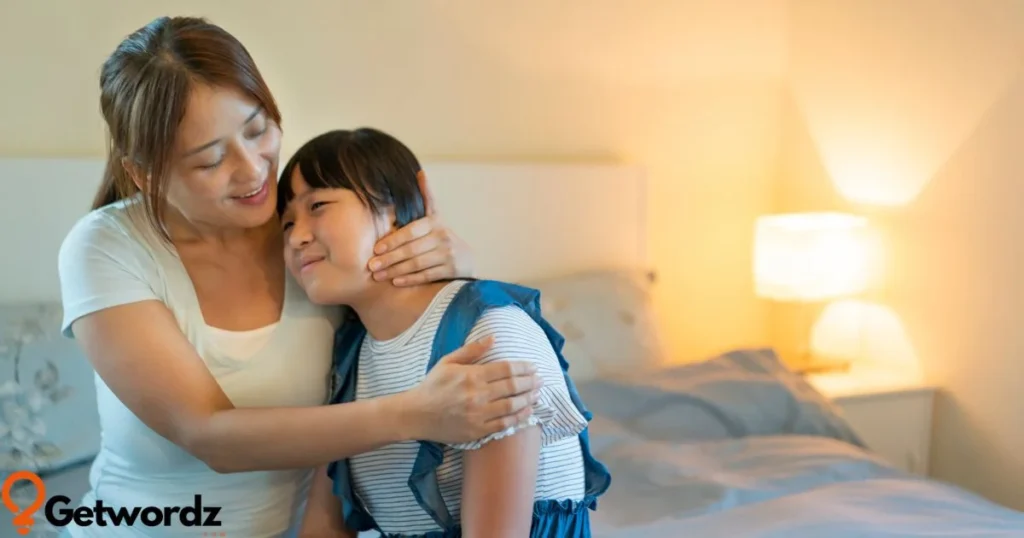
Meaning:
A calming phrase wishing someone a stress-free and undisturbed sleep.
Usage Scenario:
Used in emotional support messages, family communication, and caring bedtime wishes.
Tone:
Gentle, warm, and reassuring.
Best Use Case:
Best for comforting someone before sleep.
Examples:
- Sleep peacefully tonight.
- I hope you sleep peacefully.
- Sleep peacefully and feel better.
- Wishing you sleep peacefully always.
Have calm dreams
Meaning:
A gentle phrase wishing someone peaceful and stress-free dreams.
Usage Scenario:
Used in soft emotional communication, bedtime texts, and affectionate messages.
Tone:
Calm, soothing, and warm.
Best Use Case:
Best for close friends or family bedtime wishes.
Examples:
- Have calm dreams tonight.
- I hope you have calm dreams.
- Have calm dreams and rest well.
- Wishing you calm dreams always.
Until tomorrow
Meaning:
A simple farewell phrase indicating you will talk or meet again the next day.
Usage Scenario:
Used in daily conversations, online chats, and friendly goodnight messages.
Tone:
Casual, friendly, and neutral.
Best Use Case:
Best for ending conversations before sleep or next-day plans.
Examples:
- Goodnight, until tomorrow.
- See you later—until tomorrow.
- Until tomorrow, take care.
- Rest well, until tomorrow.
Talk to you in the morning
Meaning:
A friendly phrase indicating future communication the next morning.
Usage Scenario:
Used in personal messaging, close friendships, and family conversations.
Tone:
Friendly, casual, and reassuring.
Best Use Case:
Best when planning to reconnect after sleep.
Examples:
- Goodnight, talk to you in the morning.
- Talk to you in the morning, sleep well.
- I’ll message you in the morning.
- Rest now, talk to you in the morning.
Off to dreamland

Meaning:
A playful and imaginative phrase meaning someone is going to sleep.
Usage Scenario:
Used in casual chats, creative messaging, and friendly bedtime notes.
Tone:
Lighthearted, playful, and fun.
Best Use Case:
Best for informal or fun goodnight messages.
Examples:
- I’m off to dreamland now.
- Off to dreamland, goodnight!
- Time to go off to dreamland.
- See you from dreamland!
Sleep like a baby
Meaning:
A phrase meaning to sleep very deeply and peacefully without disturbance.
Usage Scenario:
Used in friendly communication, casual conversations, and comforting messages.
Tone:
Warm, friendly, and expressive.
Best Use Case:
Best for wishing deep, restful sleep.
Examples:
- Sleep like a baby tonight.
- I hope you sleep like a baby.
- Sleep like a baby after your tiring day.
- You’ll sleep like a baby now.
Have a cozy night
Meaning:
A warm phrase wishing a comfortable, relaxed, and pleasant night.
Usage Scenario:
Used in friendly, romantic, and lifestyle-focused communication.
Tone:
Warm, soft, and affectionate.
Best Use Case:
Best for relaxed bedtime wishes or winter evenings.
Examples:
- Have a cozy night and rest well.
- I hope you have a cozy night.
- Have a cozy night with warm tea.
- Wishing you a cozy night ahead.
Rest up well
Meaning:
A phrase encouraging someone to recover energy by getting good rest.
Usage Scenario:
Used in health support, sports recovery, and busy lifestyle communication.
Tone:
Supportive, practical, and caring.
Best Use Case:
Best after hard work, travel, or physical exhaustion.
Examples:
- Rest up well after your journey.
- You need to rest up well tonight.
- Rest up well for tomorrow’s work.
- Make sure you rest up well.
Time to recharge
Meaning:
A modern phrase meaning to rest and regain energy for future tasks.
Usage Scenario:
Used in work-life balance conversations, motivational communication, and self-care reminders.
Tone:
Modern, calm, and encouraging.
Best Use Case:
Best after long work sessions or stressful days.
Examples:
- It’s time to recharge now.
- Time to recharge and relax.
- You need time to recharge tonight.
- Take a break—it’s time to recharge.
May your night be calm
Meaning:
A gentle wish for a peaceful, quiet, and stress-free night.
Usage Scenario:
Used in poetic messages, emotional support, and polite goodnight wishes.
Tone:
Soft, calm, and respectful.
Best Use Case:
Best for thoughtful or emotional bedtime communication.
Examples:
- May your night be calm and peaceful.
- I hope may your night be calm.
- May your night be calm and restful.
- Wishing may your night be calm.
Snooze well
Meaning:
A playful phrase meaning to sleep or nap comfortably.
Usage Scenario:
Used in casual chats, friendly texting, and lighthearted communication.
Tone:
Fun, casual, and friendly.
Best Use Case:
Best for informal goodnight or nap messages.
Examples:
- Snooze well and relax.
- Time to snooze well now.
- Snooze well, see you later.
- Hope you snooze well tonight.
Wishing you a quiet night

Meaning:
A gentle phrase expressing hope for a noise-free, peaceful night.
Usage Scenario:
Used in polite messages, neighborly communication, and supportive bedtime wishes.
Tone:
Polite, calm, and considerate.
Best Use Case:
Best for peaceful living environments or respectful communication.
Examples:
- Wishing you a quiet night ahead.
- I hope you have a quiet night.
- Wishing you a quiet and restful night.
- May you enjoy a quiet night.
Sweet dream time
Meaning:
A soft, affectionate phrase referring to the moment of going to sleep and dreaming.
Usage Scenario:
Used in friendly bedtime messages, romantic communication, and gentle goodnight wishes.
Tone:
Warm, affectionate, and soft.
Best Use Case:
Best for ending the day with warmth and care.
Examples:
- It’s sweet dream time now.
- Wishing you sweet dream time tonight.
- Sweet dream time—sleep well.
- Have a lovely sweet dream time.
End your day well
Meaning:
A thoughtful phrase encouraging someone to finish their day peacefully and positively.
Usage Scenario:
Used in professional-friendly communication, wellness messages, and polite conversations.
Tone:
Calm, polite, and supportive.
Best Use Case:
Best for closing messages or end-of-day reflections.
Examples:
- End your day well and rest.
- I hope you end your day well.
- End your day well with peace.
- Wishing you to end your day well.
Sleep without worries
Meaning:
A comforting phrase encouraging stress-free and peaceful sleep.
Usage Scenario:
Used in emotional support messages, caring relationships, and reassurance communication.
Tone:
Reassuring, warm, and gentle.
Best Use Case:
Best for someone feeling stressed or anxious.
Examples:
- Sleep without worries tonight.
- I hope you sleep without worries.
- Sleep without worries and relax.
- Just sleep without worries now.
May you rest deeply
Meaning:
A sincere phrase wishing someone very deep, restorative, and meaningful sleep.
Usage Scenario:
Used in formal blessings, wellness communication, and caring messages.
Tone:
Respectful, calm, and supportive.
Best Use Case:
Best for health, recovery, or emotional rest wishes.
Examples:
- May you rest deeply tonight.
- I hope may you rest deeply.
- May you rest deeply and heal.
- Wishing may you rest deeply always.
Relax and sleep
Meaning:
A simple phrase encouraging someone to calm down and go to sleep peacefully.
Usage Scenario:
Used in casual support messages, friendly chats, and stress-relief communication.
Tone:
Friendly, calm, and supportive.
Best Use Case:
Best when someone is stressed or tired.
Examples:
- Relax and sleep now.
- Just relax and sleep peacefully.
- Relax and sleep—you need rest.
- Relax and sleep, everything is fine.
Good sleep ahead
Meaning:
A phrase expressing hope for a peaceful and restful upcoming sleep.
Usage Scenario:
Used in polite messages, casual chats, and bedtime wishes.
Tone:
Neutral, friendly, and calm.
Best Use Case:
Best for ending conversations before bedtime.
Examples:
- Good sleep ahead, take care.
- Wishing you good sleep ahead.
- Good sleep ahead for you tonight.
- Hope you have good sleep ahead.
Night-night
Meaning:
A short, cute, and informal way of saying goodnight.
Usage Scenario:
Used in casual chats, especially with close friends, children, or romantic partners.
Tone:
Playful, affectionate, and informal.
Best Use Case:
Best for very casual bedtime goodbyes.
Examples:
- Night-night, sleep well.
- Okay, night-night!
- Night-night and sweet dreams.
- Goodnight, night-night.
Close your eyes and rest
Meaning:
A gentle instruction-like phrase encouraging someone to relax and fall asleep.
Usage Scenario:
Used in soothing messages, caregiving communication, and emotional comfort contexts.
Tone:
Calm, caring, and reassuring.
Best Use Case:
Best when comforting someone who is tired or stressed.
Examples:
- Close your eyes and rest now.
- Just close your eyes and rest.
- Close your eyes and rest peacefully.
- Time to close your eyes and rest.
Have a soothing night

Meaning:
A peaceful phrase wishing someone a calming, relaxing, and stress-free night.
Usage Scenario:
Used in wellness communication, polite messages, and emotional support contexts.
Tone:
Gentle, calming, and warm.
Best Use Case:
Best for relaxation-focused or stress-relief bedtime wishes.
Examples:
- Have a soothing night and relax.
- I hope you have a soothing night.
- Have a soothing night full of peace.
- Wishing you a soothing night ahead.
Key Insight
1. What is the simple meaning of “good night”?
Good night means wishing someone a restful sleep and a peaceful end to their day.
2. Is it only used before sleeping?
Mostly yes, but it is also used as a polite goodbye in evening conversations.
3. Is “good night” formal or informal?
It is a neutral phrase, suitable for both casual and semi-formal situations.
4. Does it have emotional meaning?
Yes, it often shows care, warmth, and emotional connection.
5. Why do people look for alternatives?
To avoid repetition and use creative expressions, better wording, and unique phrases.
Conclusion
Using different ways to say “good night” helps you move beyond a simple phrase and express warmth in a more creative and meaningful way. Instead of repeating the same words, you can choose expressions that match your tone and relationship.
Whether it’s “sweet dreams,” “sleep well,” or “have a peaceful night,” each alternative adds a slightly different emotional touch that makes your message feel more personal and thoughtful.
Ultimately, learning creative alternatives and better wording for good night improves your communication style and helps you connect with others in a more natural and memorable way.