


Funny Ways to Say “Be Safe” are playful, creative, and humorous alternatives to a common phrase people use to show care, concern, and good wishes. Whether you are saying goodbye before a trip, sending a message to a friend, checking on family members, talking with colleagues, or sharing a sweet note with a partner, the phrase “be safe” can sometimes feel too basic or overused.
Many people look for different ways to say “be safe” because they want their messages to sound more personal, funny, and memorable. A simple phrase can become more engaging with the right wording, unique expressions, and creative alternatives. From funny responses and playful goodbyes to caring messages and lighthearted phrases, this guide provides fresh ideas for every situation.
Based on everyday conversations, I’ve found that adding a little humor can make a caring message feel more natural and enjoyable while still showing genuine affection. Explore these funny ways to say “be safe” and discover new phrases that bring personality to your next message.
What Does “Be Safe” Mean?
“Be Safe” means take care of yourself and stay protected from harm or danger. It is a phrase used to show care, concern, and good wishes for someone’s safety and well-being. People often say it when someone is traveling, leaving, or facing a challenging situation.
When to Use “Be Safe”
Use “Be Safe” when you want to show kindness and support to friends, family, or coworkers. It is commonly used before trips, during bad weather, after conversations, or when someone is doing something risky. The phrase is a simple way to say take care and stay safe.
Is It Professional or Polite to Say “Be Safe”?
Yes, “Be Safe” is polite and thoughtful, but it is more common in casual conversations. In professional settings, phrases like “Please stay safe” or “Wishing you a safe journey” may sound more formal. It shows respect, care, and concern when used appropriately.
Synonyms For “Be Safe”
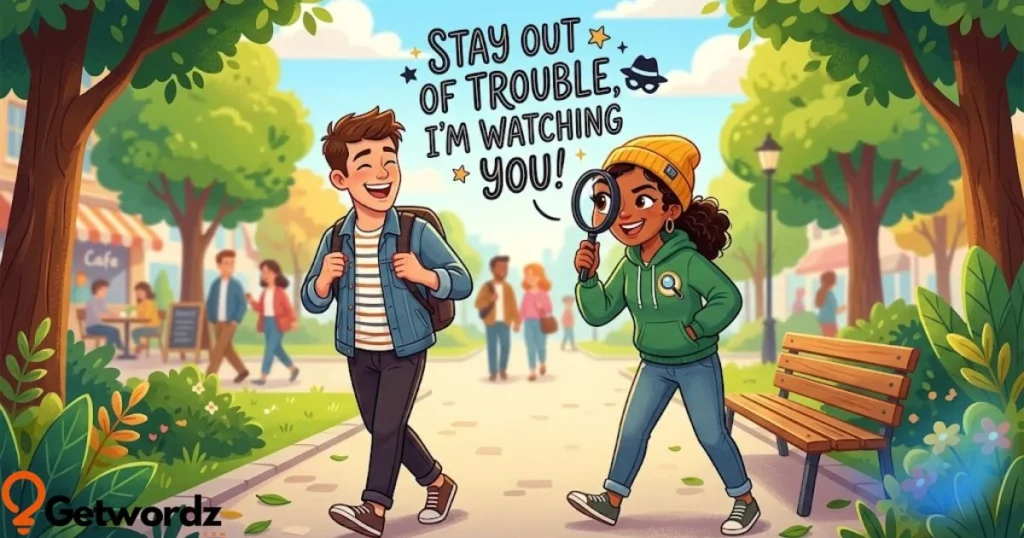
Stay out of trouble, I’m watching you 😄
Meaning:
“Stay out of trouble, I’m watching you” is a playful way to say be careful while showing friendly concern. The phrase does not usually mean someone is actually monitoring another person. Instead, it adds humor to a caring message and creates a fun social interaction between people who already have a comfortable relationship.
Usage Scenario:
This expression is commonly used in casual conversations, text messages, and friendly goodbyes. Friends, siblings, couples, or close coworkers may use it before someone goes out, travels, attends an event, or starts a new activity. It works well when you want to mix humor with a caring reminder.
Tone:
The tone is playful, teasing, friendly, and lighthearted. It creates a relaxed feeling rather than a serious warning.
Best Use Case:
Use this phrase with people you know well, especially in informal communication where a joking style feels natural. Avoid using it in formal emails, interviews, or professional introductions.
Examples:
- “Heading to the party tonight? Stay out of trouble, I’m watching you 😄.”
- “Have fun on your trip, but stay out of trouble, I’m watching you.”
- “Good luck with your new adventure. Stay out of trouble, okay?”
- “Enjoy your weekend, and remember I’m watching you!”
Don’t do anything I wouldn’t do (low bar, I know)
Meaning:
“Don’t do anything I wouldn’t do” is a humorous expression used to tell someone to make smart choices while adding a personal joke. The phrase suggests following good judgment, but the added “low bar, I know” makes it self-deprecating and funny.
Usage Scenario:
This phrase appears in friendly messages, casual advice, and conversations between people with shared humor. It is often used when saying goodbye before a night out, vacation, or social event. It creates a fun relationship-building moment through humor.
Tone:
The tone is sarcastic, playful, casual, and friendly. It works best when both people understand the joke.
Best Use Case:
Use it with friends, close family members, or partners who appreciate teasing. It is not suitable for professional etiquette situations or serious safety reminders.
Examples:
- “Have fun tonight, but don’t do anything I wouldn’t do. The bar is already pretty low.”
- “Enjoy your vacation, and don’t do anything I wouldn’t do.”
- “Be careful out there. Don’t do anything too impulsive, okay?”
- “Have a great weekend. Follow my advice, even though the standards are questionable.”
Read More:Funny Ways to Say You’re Wet(with Examples)2026
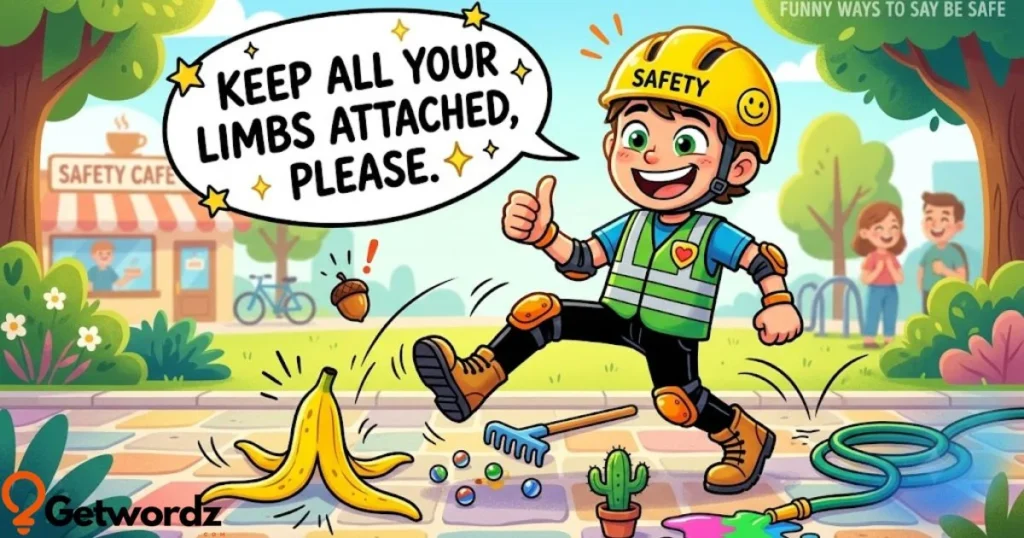
Keep all your limbs attached, please
Meaning:
“Keep all your limbs attached, please” is a funny and exaggerated way to tell someone to stay safe. Instead of using a normal safety phrase, it creates humor by making a dramatic reference to avoiding accidents or injuries.
Usage Scenario:
People often use this phrase with friends who enjoy adventure, sports, travel, outdoor activities, or risky hobbies. It is popular in casual texting and friendly conversations because it expresses concern without sounding serious.
Tone:
The communication tone is funny, exaggerated, caring, and playful. It shows affection through humor.
Best Use Case:
This phrase fits situations involving activities like hiking, driving, sports, or exciting plans. It works best in personal conversations rather than workplace communication.
Examples:
- “Going hiking today? Keep all your limbs attached, please.”
- “Have fun at the competition and come back in one piece.”
- “Enjoy your adventure, but seriously, keep yourself safe.”
- “Drive carefully and return with everything you left with.”
Return in one piece, preferably unbroken
Meaning:
“Return in one piece, preferably unbroken” is a humorous alternative to saying stay safe or take care. It jokingly suggests avoiding accidents while wishing someone a safe return.
Usage Scenario:
This phrase is commonly used before trips, events, adventures, or long drives. Friends and family often use it as a funny goodbye message that still communicates genuine concern.
Tone:
The tone is warm, humorous, caring, and slightly dramatic. It adds personality to a simple farewell.
Best Use Case:
Use this phrase when talking with people you have a close connection with. It is ideal for personal messages, social chats, and casual goodbyes.
Examples:
- “Enjoy your road trip and return in one piece, preferably unbroken.”
- “Have fun tonight, but please come home safely.”
- “Good luck with your adventure. Make sure you return safely.”
- “See you tomorrow. Return in one piece!”
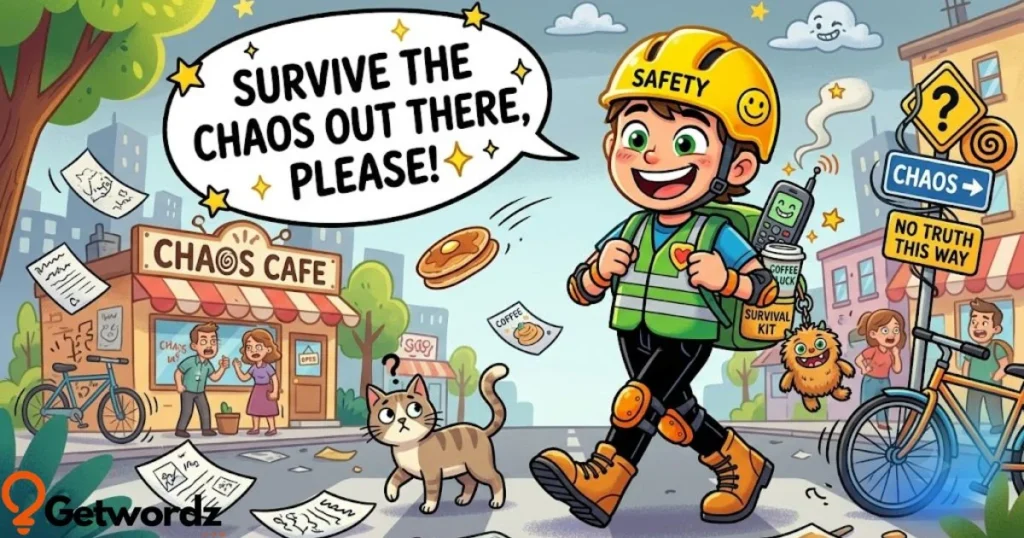
Survive the chaos out there
Meaning:
“Survive the chaos out there” is a funny expression that means someone should handle challenges, busy situations, or unpredictable events safely. It turns everyday difficulties into a playful adventure.
Usage Scenario:
This phrase is often used before busy workdays, crowded events, travel, or stressful situations. It can appear in workplace friendships, group chats, and casual conversations.
Tone:
The tone is encouraging, humorous, and supportive. It provides motivation while keeping the conversation relaxed.
Best Use Case:
Use it when someone is facing a hectic schedule, challenging task, or unusual situation. It is better suited for friendly communication than formal settings.
Examples:
- “Big meeting today? Survive the chaos out there!”
- “Good luck with your first day. Survive the madness.”
- “Have fun at the festival and survive the crowd.”
- “You’ve got this. Handle the chaos like a champion.”
Try not to get adopted by danger
Meaning:
“Try not to get adopted by danger” is a creative and funny way to tell someone to avoid risky situations. The unusual wording makes the message memorable while still expressing concern.
Usage Scenario:
This phrase works well in playful conversations with friends who enjoy adventure, travel, or spontaneous plans. It is commonly used in messages before someone explores a new place or tries something exciting.
Tone:
The tone is quirky, humorous, imaginative, and friendly.
Best Use Case:
Use this phrase in casual chats, social media messages, or conversations where creativity and humor are appreciated.
Examples:
- “Enjoy your trip, but try not to get adopted by danger.”
- “Have fun camping and avoid making friends with trouble.”
- “Go explore, but don’t let danger become your new roommate.”
- “Stay adventurous, just keep yourself safe.”
Avoid drama like it’s your ex
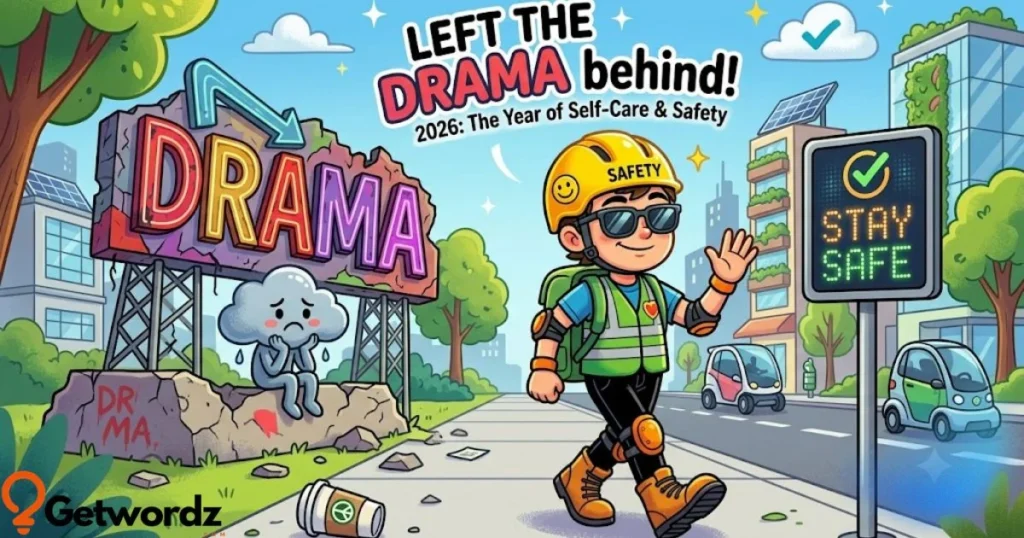
Meaning:
“Avoid drama like it’s your ex” is a humorous phrase that compares unwanted problems to an unpleasant past relationship. It tells someone to stay away from unnecessary trouble in a funny way.
Usage Scenario:
This phrase is common among friends, especially in social conversations, dating discussions, and casual online chats. It uses a relatable comparison to make safety advice more entertaining.
Tone:
The tone is funny, sarcastic, casual, and playful.
Best Use Case:
Use it with friends or people who understand modern humor and casual references. Avoid using it in formal or professional communication.
Examples:
- “Have fun tonight, but avoid drama like it’s your ex.”
- “Enjoy the party and stay away from unnecessary problems.”
- “Keep your peace and avoid drama wherever you go.”
- “Travel safely and leave the drama behind.”
Read More: Funny Ways to Say Photographer(with Examples)2026
Don’t get yourself into main-character injuries
Meaning:
“Don’t get yourself into main-character injuries” is a funny internet-style phrase that jokes about people doing dramatic things and getting hurt. It reminds someone to be careful while using modern online humor.
Usage Scenario:
This phrase is popular in casual digital conversations, especially among younger audiences familiar with online culture and social media language. It can be used before adventures, challenges, or exciting activities.
Tone:
The tone is trendy, humorous, playful, and informal.
Best Use Case:
Use this expression with friends, online communities, or people who enjoy internet references. It may not fit traditional professional communication.
Examples:
- “Trying that new challenge? Don’t get yourself into main-character injuries.”
- “Have fun, but avoid becoming the story for the wrong reasons.”
- “Stay safe during your adventure, superstar.”
- “Enjoy the moment, but protect yourself too.”
Make it back alive, legend
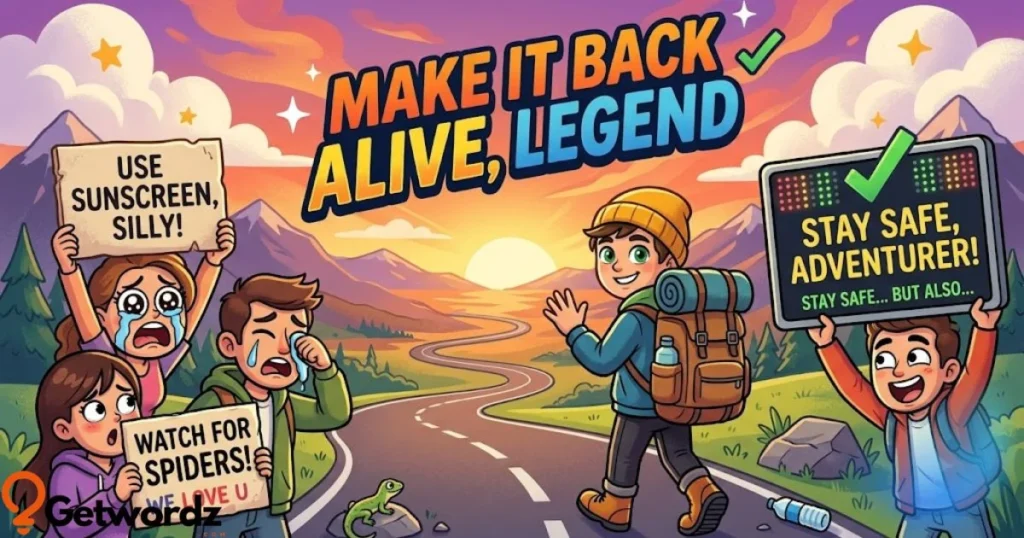
Meaning:
“Make it back alive, legend” is a humorous and affectionate way to say goodbye while wishing someone a safe return. Calling someone a legend adds a playful compliment.
Usage Scenario:
Friends often use this phrase before parties, trips, adventures, or exciting plans. It combines encouragement with a fun personal connection.
Tone:
The tone is friendly, energetic, supportive, and humorous.
Best Use Case:
This phrase works best in casual conversations, messages, and social interactions with close friends.
Examples:
- “Have an amazing night. Make it back alive, legend.”
- “Enjoy your adventure and return safely.”
- “Go have fun, but remember to come home.”
- “Good luck today. You’ve got this, legend.”
Stay dangerous but like… safely
Meaning:
“Stay dangerous but like… safely” is a playful contradiction that encourages someone to stay bold while avoiding actual harm. It celebrates confidence while adding a reminder to be careful.
Usage Scenario:
This phrase is often used among friends who enjoy humor, creativity, or adventurous lifestyles. It fits social media captions, messages, and casual conversations.
Tone:
The tone is confident, funny, modern, and playful.
Best Use Case:
Use it with adventurous friends or people who enjoy motivational humor. It is not ideal for formal communication.
Examples:
- “Keep chasing your goals, but stay dangerous safely.”
- “Be fearless today, but make smart choices.”
- “Stay bold, stay confident, and stay safe.”
- “Keep being awesome, just avoid unnecessary risks.”
Don’t do anything TikTok would approve of
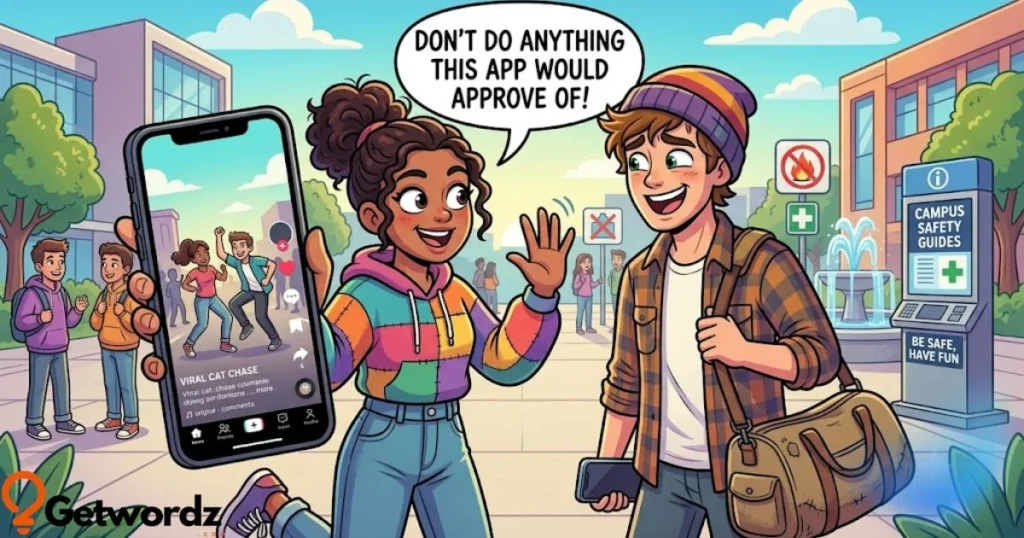
Meaning:
“Don’t do anything TikTok would approve of” is a humorous internet-inspired phrase warning someone not to make risky choices just for attention or entertainment. It references viral trends and online challenges.
Usage Scenario:
This expression is mostly used in casual conversations among people familiar with social media trends. It works well before parties, adventures, or situations where someone might act impulsively.
Tone:
The tone is sarcastic, playful, modern, and humorous.
Best Use Case:
Use it with friends, siblings, or online communities. Avoid it in professional greetings or workplace messages.
Examples:
- “Have fun tonight, but don’t do anything TikTok would approve of.”
- “Enjoy your trip, just avoid becoming a viral accident.”
- “Be yourself, but keep the internet challenges away.”
- “Stay safe and don’t chase online fame.”
Keep your bad decisions to a minimum
Meaning:
“Keep your bad decisions to a minimum” is a funny way to remind someone to make smart choices. It accepts that small mistakes happen but encourages responsible behavior.
Usage Scenario:
This phrase is often used between friends before weekends, parties, vacations, or new experiences. It creates a friendly reminder without sounding strict.
Tone:
The tone is teasing, casual, humorous, and caring.
Best Use Case:
Use it in personal conversations where humor is part of the relationship. It is not recommended for formal professional communication.
Examples:
- “Enjoy your weekend and keep your bad decisions to a minimum.”
- “Have fun tonight, but make good choices.”
- “Go enjoy yourself, just avoid unnecessary trouble.”
- “Take care and keep the chaos under control.”
Keep Yourself Out of Trouble
Meaning:
“Keep yourself out of trouble” is a common way to tell someone to avoid problems, risky situations, or unnecessary conflicts. It is a caring reminder to make good decisions while staying aware of their surroundings.
Usage Scenario:
This phrase is often used in friendly conversations, family messages, and casual goodbyes. Parents, friends, partners, and coworkers may use it before someone goes out, travels, attends an event, or starts a new activity.
Tone:
The tone is caring, friendly, protective, and slightly casual. It can sound serious or playful depending on the relationship.
Best Use Case:
Use it when you want to show concern while encouraging someone to act responsibly. It works well in personal communication but may feel too informal for official messages.
Examples:
- “Have a great night and keep yourself out of trouble.”
- “Enjoy your trip, but keep yourself out of trouble.”
- “Take care of yourself and make smart choices.”
- “Have fun today, and don’t get into any unnecessary problems.”
Stay Safe and Sound
Meaning:
“Stay safe and sound” means to remain protected, healthy, and free from harm. It is a warm alternative to “be safe” that focuses on someone’s overall well-being.
Usage Scenario:
This phrase is commonly used in farewell messages, travel wishes, family conversations, and supportive notes. It works well when someone is leaving home, starting a journey, or facing a challenging situation.
Tone:
The tone is warm, thoughtful, polite, and reassuring. It feels more heartfelt than a simple safety reminder.
Best Use Case:
Use it when you want to express genuine care in a friendly message, email ending, or personal conversation.
Examples:
- “I hope you reach your destination safely and stay safe and sound.”
- “Take care of yourself and stay safe and sound.”
- “Wishing you a smooth journey. Stay safe and sound.”
- “No matter where you go, stay safe and sound.”
Avoid Risky Adventures
Meaning:
“Avoid risky adventures” is a playful way to remind someone not to take unnecessary chances. It encourages caution while still acknowledging their excitement for new experiences.
Usage Scenario:
This phrase is useful before outdoor activities, travel plans, sports, or spontaneous decisions. Friends often use it when someone enjoys exploring or trying new things.
Tone:
The tone is friendly, humorous, encouraging, and caring.
Best Use Case:
Use it with adventurous friends, family members, or partners who appreciate a lighthearted safety reminder.
Examples:
- “Have fun exploring, but avoid risky adventures.”
- “Enjoy your vacation and stay away from dangerous situations.”
- “Try something new, but remember to stay careful.”
- “Adventure is great, just avoid unnecessary risks.”
Make Smart Choices Today
Meaning:
“Make smart choices today” is a positive way to encourage someone to think carefully and act responsibly. It focuses on good judgment instead of simply warning about danger.
Usage Scenario:
This phrase can be used in daily conversations, motivational messages, workplace encouragement, and personal advice. It fits situations where someone is starting a new day, attending an event, or handling challenges.
Tone:
The tone is supportive, positive, encouraging, and respectful.
Best Use Case:
Use it when you want to motivate someone while showing care. It works well in both personal and slightly professional settings.
Examples:
- “Have a productive day and make smart choices today.”
- “Enjoy your plans and remember to make smart choices.”
- “Whatever happens, stay confident and make good decisions.”
- “Take care of yourself and choose wisely today.”
Keep Chaos Under Control
Meaning:
“Keep chaos under control” is a funny and creative way to tell someone to handle unpredictable situations calmly. It turns a normal safety reminder into a playful challenge.
Usage Scenario:
This phrase is often used before busy days, parties, travel, or exciting events. Friends and coworkers may use it when someone is entering a stressful or crowded situation.
Tone:
The tone is playful, humorous, supportive, and relaxed.
Best Use Case:
Use it in casual conversations with people who enjoy jokes and friendly encouragement.
Examples:
- “Big day ahead? Keep chaos under control.”
- “Have fun at the event and manage the madness.”
- “Good luck today. Stay calm and handle everything.”
- “Enjoy the adventure and keep the chaos away.”
No Dangerous Side Quests
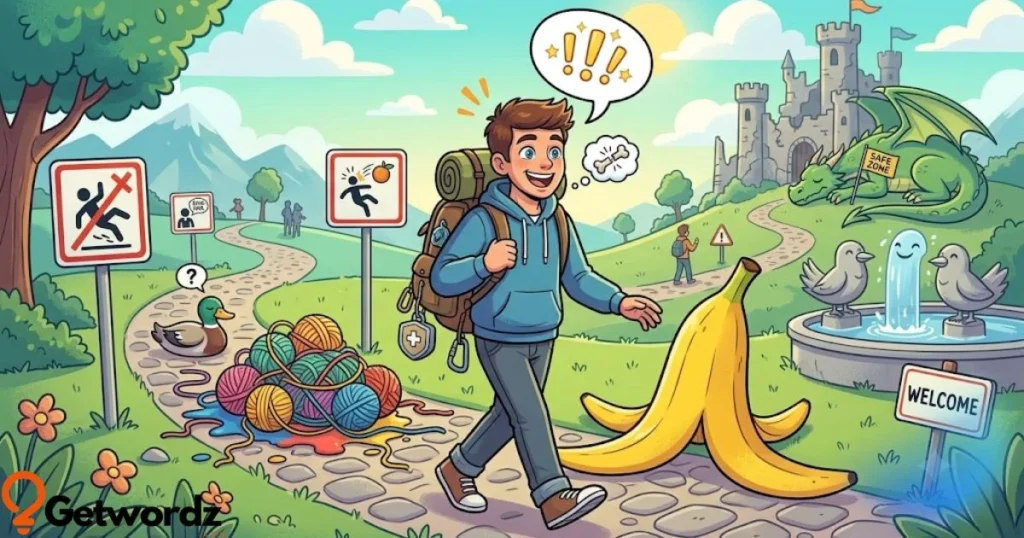
Meaning:
“No dangerous side quests” is an internet-inspired phrase that compares unexpected risky activities to optional missions in video games. It humorously tells someone to avoid unnecessary trouble.
Usage Scenario:
This phrase is popular in online conversations, gaming communities, and casual chats among younger audiences. It works well when someone has a habit of making spontaneous decisions.
Tone:
The tone is funny, modern, playful, and informal.
Best Use Case:
Use it with friends who understand gaming references or internet humor. It is not suitable for formal communication.
Examples:
- “Have fun tonight, but no dangerous side quests.”
- “Enjoy your trip and avoid random adventures that go wrong.”
- “Stay focused and skip the unnecessary drama.”
- “Complete your main mission and avoid trouble.”
Read More: Funny Ways to Say Scammer on WhatsApp(with Examples)2026
Protect Yourself Out There
Meaning:
“Protect yourself out there” is a caring expression that reminds someone to stay aware, cautious, and safe in different situations. It shows concern for someone’s personal well-being.
Usage Scenario:
This phrase is commonly used in messages before travel, work shifts, social events, or difficult situations. It is suitable for friends, family, and partners.
Tone:
The tone is caring, serious, supportive, and protective.
Best Use Case:
Use it when you want your message to sound sincere and thoughtful. It works well in personal conversations and emotional goodbyes.
Examples:
- “Have a good day and protect yourself out there.”
- “Take care during your journey and stay aware.”
- “Whatever happens today, remember to protect yourself.”
- “Stay strong, stay careful, and look after yourself.”
Don’t Let Chaos Win Today
Meaning:
“Don’t let chaos win today” is a funny and motivational way to tell someone to stay calm, handle problems, and avoid unnecessary trouble. It treats daily challenges like a playful battle between a person and chaos.
Usage Scenario:
This phrase is often used in casual messages, morning greetings, work chats, and conversations with friends or coworkers. It fits situations where someone has a busy schedule, stressful tasks, or a challenging day ahead.
Tone:
The tone is playful, encouraging, humorous, and supportive.
Best Use Case:
Use it when you want to motivate someone while adding a little humor to your message. It works well for friendly communication and daily interactions.
Examples:
- “Big day ahead? Don’t let chaos win today.”
- “Good luck with everything, and remember to stay calm.”
- “Handle your tasks like a pro and don’t let chaos take over.”
- “You’ve got this. Keep control and enjoy your day.”
Watch Your Back (and Your Front Too)
Meaning:
“Watch your back (and your front too)” is a humorous twist on the usual warning to be careful. It reminds someone to stay aware of their surroundings while adding a playful exaggeration.
Usage Scenario:
This phrase is commonly used in friendly conversations, jokes, and casual text messages. Friends may use it before someone goes into a crowded place, travels, or tries something new.
Tone:
The tone is funny, teasing, casual, and lighthearted.
Best Use Case:
Use it with people who enjoy jokes and playful warnings. It is not appropriate for serious safety situations or formal communication.
Examples:
- “Heading out tonight? Watch your back and your front too.”
- “Have fun at the event, but stay aware.”
- “Explore the city, but keep your eyes open.”
- “Stay alert out there, adventure buddy.”
No Spontaneous Disasters, Okay?
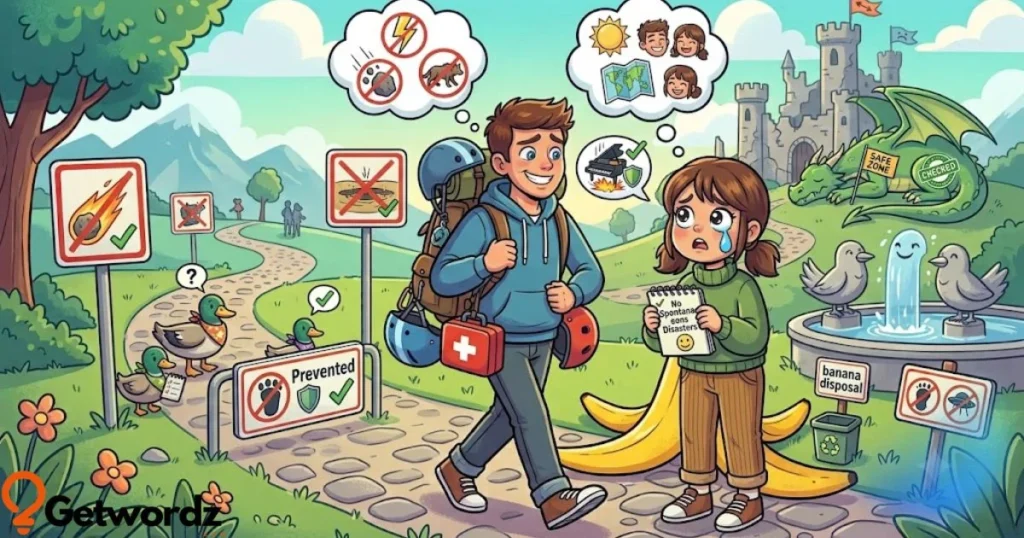
Meaning:
“No spontaneous disasters, okay?” is a funny way to ask someone to avoid unexpected problems or risky choices. It adds humor to a simple safety reminder.
Usage Scenario:
This phrase works well before trips, parties, adventures, or exciting plans. Friends often use it when someone has a habit of making unpredictable decisions.
Tone:
The tone is playful, caring, humorous, and slightly sarcastic.
Best Use Case:
Use it in casual chats with friends, siblings, or partners who understand your sense of humor.
Examples:
- “Enjoy your weekend, but no spontaneous disasters, okay?”
- “Have fun tonight and keep the surprises positive.”
- “Go enjoy yourself, but avoid unnecessary problems.”
- “Make memories, not disasters.”
Stay Safe or I’ll Be Disappointed 😤
Meaning:
“Stay safe or I’ll be disappointed” is a playful expression that shows care through exaggerated emotion. Instead of sounding serious, it uses humor to encourage someone to look after themselves.
Usage Scenario:
This phrase is popular in friendly texts, relationship conversations, and messages between close people. It adds personality to a normal goodbye.
Tone:
The tone is affectionate, funny, dramatic, and caring.
Best Use Case:
Use it with close friends, family members, or partners. Avoid using it in professional settings.
Examples:
- “Have a great trip, but stay safe or I’ll be disappointed 😤.”
- “Take care of yourself, okay? I mean it.”
- “Enjoy your day and make good choices.”
- “Come back safely, that’s your only job.”
Don’t Make Me Send a Rescue Mission
Meaning:
“Don’t make me send a rescue mission” is a humorous way to tell someone to avoid trouble. It jokingly suggests that their actions might create a situation where help is needed.
Usage Scenario:
This phrase is commonly used before adventures, parties, travel, or risky activities. It creates a funny connection between people through exaggeration.
Tone:
The tone is playful, caring, dramatic, and friendly.
Best Use Case:
Use it in personal conversations with people who appreciate jokes and teasing.
Examples:
- “Have fun tonight, but don’t make me send a rescue mission.”
- “Enjoy your adventure and stay out of trouble.”
- “Be careful, I don’t want to come looking for you.”
- “Make smart choices so I don’t need backup.”
Keep Your Danger Level on “Low”
Meaning:
“Keep your danger level on low” is a creative way to tell someone to avoid risky behavior. It compares personal safety to a game setting where difficulty or danger can be adjusted.
Usage Scenario:
This phrase fits gaming references, online chats, and casual conversations. It works especially well with friends who enjoy playful comparisons.
Tone:
The tone is funny, modern, casual, and creative.
Best Use Case:
Use it with friends, gamers, or people familiar with internet-style humor.
Examples:
- “Have fun today, but keep your danger level on low.”
- “Enjoy the adventure without increasing the difficulty.”
- “Stay smart and avoid unnecessary risks.”
- “Keep things simple and safe today.”
Try Not to Get Featured in the News
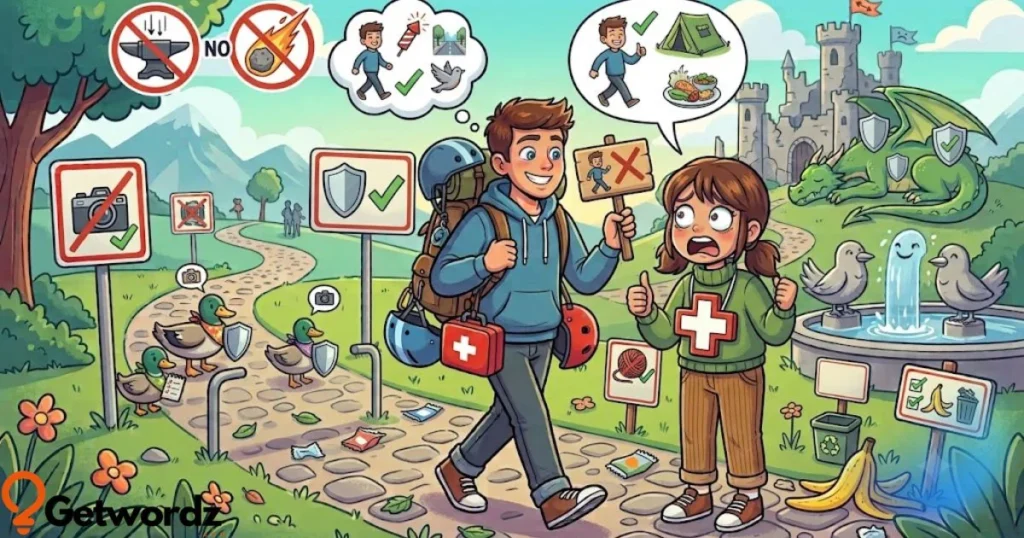
Meaning:
“Try not to get featured in the news” is a humorous exaggeration used to tell someone not to do anything reckless or embarrassing. It suggests avoiding situations that attract unwanted attention.
Usage Scenario:
This phrase is often used before parties, trips, public events, or unusual activities. Friends use it as a funny reminder to stay responsible.
Tone:
The tone is sarcastic, playful, and humorous.
Best Use Case:
Use it in casual conversations where jokes are welcome. Avoid it when discussing real danger or serious situations.
Examples:
- “Have fun at the festival, but try not to get featured in the news.”
- “Enjoy yourself and avoid making headlines.”
- “Be careful and keep the stories positive.”
- “Make memories, not viral incidents.”
Avoid Unnecessary Plot Twists
Meaning:
“Avoid unnecessary plot twists” is a creative phrase that compares life events to a story. It means avoiding unexpected problems, drama, or situations that complicate your day.
Usage Scenario:
This phrase is popular in social media conversations, friendships, and casual messages. It works well when someone is starting a new experience or facing uncertainty.
Tone:
The tone is funny, imaginative, modern, and friendly.
Best Use Case:
Use it with people who enjoy storytelling or internet-style humor.
Examples:
- “Have a good day and avoid unnecessary plot twists.”
- “Enjoy your trip and keep the adventure simple.”
- “Hope everything goes smoothly without surprises.”
- “Stay safe and keep your story drama-free.”
Must Read: Funny Ways to Say “Damn” (Meaning and Use 2026)
Don’t Get Yourself Into “How Did This Happen?” Stories
Meaning:
“Don’t get yourself into ‘how did this happen?’ stories” is a funny warning about avoiding situations that lead to confusion, regret, or unbelievable explanations.
Usage Scenario:
Friends often use this phrase before parties, adventures, or spontaneous plans. It adds humor while reminding someone to think carefully.
Tone:
The tone is teasing, humorous, casual, and caring.
Best Use Case:
Use it with close friends or family members during informal conversations.
Examples:
- “Have fun tonight, but don’t get yourself into ‘how did this happen?’ stories.”
- “Make good choices and avoid unnecessary drama.”
- “Enjoy yourself without creating a impulsive story.”
- “Stay safe and keep things simple.”
Stay Safe-ish
Meaning:
“Stay safe-ish” is a playful and less serious version of “stay safe.” It jokingly acknowledges that life is unpredictable while still showing concern.
Usage Scenario:
This phrase is mainly used in casual texts, online conversations, and humorous exchanges between friends.
Tone:
The tone is funny, relaxed, casual, and sarcastic.
Best Use Case:
Use it with people who understand your humor. It should not replace a serious safety message.
Examples:
- “Have fun tonight and stay safe-ish.”
- “Enjoy the adventure, but try to avoid trouble.”
- “Take care, even if life gets messy.”
- “Be careful out there, mostly.”
Come Back Without Any War Stories
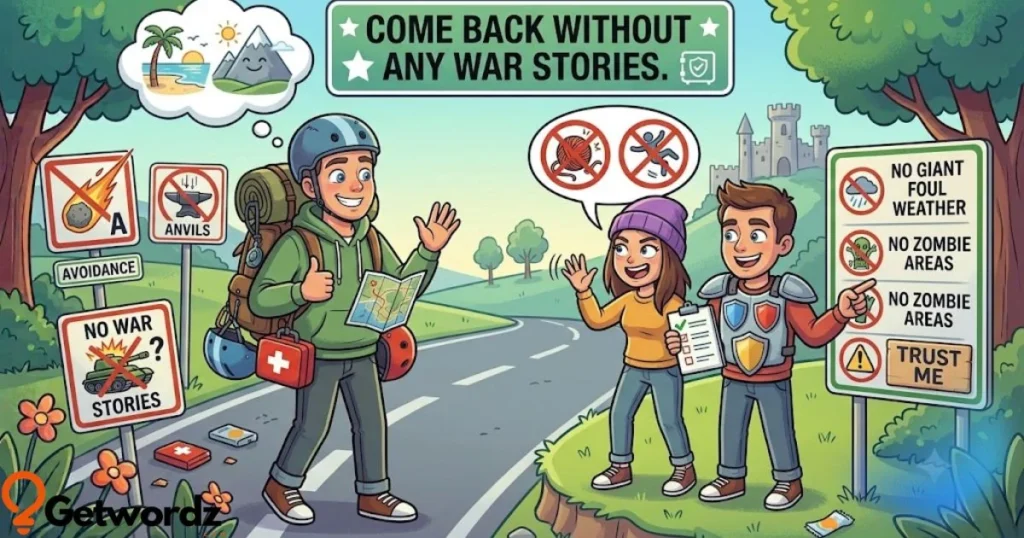
Meaning:
“Come back without any war stories” is a humorous way to ask someone to return safely without experiencing major problems. It compares everyday challenges to dramatic battles.
Usage Scenario:
This phrase is often used before trips, events, competitions, or stressful situations.
Tone:
The tone is funny, supportive, and slightly dramatic.
Best Use Case:
Use it with friends, teammates, or family members in casual settings.
Examples:
- “Enjoy your trip and come back without any war stories.”
- “Have fun, but keep the adventure peaceful.”
- “Return safely with only good memories.”
- “Make stories worth telling, not explaining.”
No Extreme Sport Behavior, Please
Meaning:
“No extreme sport behavior, please” is a playful reminder to avoid dangerous actions or unnecessary risks. It jokingly compares everyday activities to extreme sports.
Usage Scenario:
This phrase works well when someone is adventurous, competitive, or always trying something new.
Tone:
The tone is humorous, caring, and playful.
Best Use Case:
Use it with friends or partners before exciting activities.
Examples:
- “Have fun today, but no extreme sport behavior, please.”
- “Enjoy yourself and stay reasonable.”
- “Try new things, but stay careful.”
- “Adventure is good, injuries are not.”
Keep It Chill and Injury-Free
Meaning:
“Keep it chill and injury-free” means to relax, avoid problems, and stay physically safe. It combines a casual attitude with a caring message.
Usage Scenario:
This phrase is common in casual conversations before sports, outings, or weekend plans.
Tone:
The tone is friendly, relaxed, positive, and supportive.
Best Use Case:
Use it with friends, teammates, or family members.
Examples:
- “Enjoy your weekend and keep it chill and injury-free.”
- “Have fun at the game and stay careful.”
- “Relax, enjoy yourself, and avoid accidents.”
- “Keep the good vibes and stay safe.”
Don’t Do Anything Your Future Self Will Hate
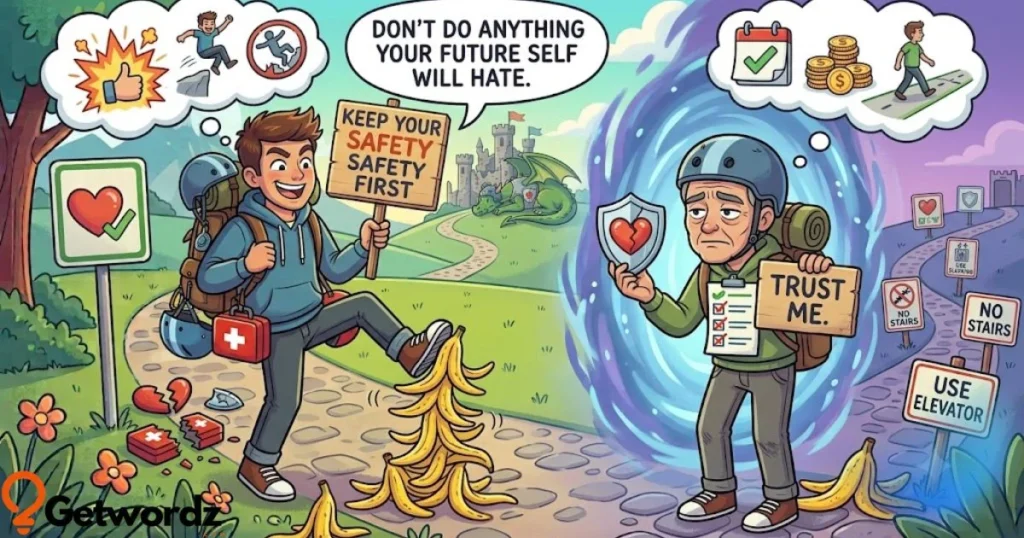
Meaning:
“Don’t do anything your future self will hate” is a humorous way to encourage someone to think about consequences before making decisions.
Usage Scenario:
This phrase is used in personal advice, friendships, and casual messages. It works well before parties, big choices, or spontaneous plans.
Tone:
The tone is wise, playful, encouraging, and friendly.
Best Use Case:
Use it when you want to give advice without sounding strict.
Examples:
- “Have fun tonight, but don’t do anything your future self will hate.”
- “Make memories you’ll enjoy later.”
- “Think ahead and make smart choices.”
- “Enjoy today without creating tomorrow’s problems.”
Stay Safe, You Walking Disaster 😂
Meaning:
“Stay safe, you walking disaster” is a playful insult used with affection. It jokes that someone is accident-prone while still showing care.
Usage Scenario:
This phrase is common between close friends, siblings, and partners who enjoy teasing.
Tone:
The tone is funny, affectionate, teasing, and casual.
Best Use Case:
Use it only with people who understand your humor and relationship style.
Examples:
- “Have fun today, stay safe, you walking disaster 😂.”
- “Take care of yourself, troublemaker.”
- “Enjoy your day and avoid breaking anything.”
- “Be careful out there, chaos creator.”
Don’t Test Gravity Today
Meaning:
“Don’t test gravity today” is a funny way to tell someone to avoid accidents, falls, or reckless actions. It uses science humor to create a safety reminder.
Usage Scenario:
This phrase fits sports, outdoor activities, adventures, and playful conversations.
Tone:
The tone is clever, humorous, and lighthearted.
Best Use Case:
Use it with friends who enjoy jokes and creative expressions.
Examples:
- “Going skating? Don’t test gravity today.”
- “Have fun climbing, but stay careful.”
- “Enjoy your adventure without falling into trouble.”
- “Be smart and let gravity win peacefully.”
Keep Your Life Settings on “Easy Mode”
Meaning:
“Keep your life settings on easy mode” is a gaming-inspired phrase that means avoiding unnecessary challenges and making life simpler.
Usage Scenario:
This phrase is popular in online chats, gaming communities, and casual conversations among younger audiences.
Tone:
The tone is funny, creative, relaxed, and modern.
Best Use Case:
Use it with people familiar with gaming or internet culture.
Examples:
- “Have a good day and keep your life settings on easy mode.”
- “Avoid unnecessary stress and enjoy the moment.”
- “Take things smoothly and stay safe.”
- “Choose peace over chaos today.”
Stay Away From Drama
Meaning:
“Stay away from drama” is a simple and friendly way to tell someone to avoid unnecessary conflicts, problems, or stressful situations. It focuses on protecting someone’s peace of mind and encouraging positive choices.
Usage Scenario:
This phrase is commonly used in casual conversations, friendship advice, social situations, and personal messages. Friends, family members, and partners may use it before parties, gatherings, workplace events, or situations where conflicts could happen.
Tone:
The tone is caring, supportive, casual, and slightly protective. It can also sound playful depending on the relationship.
Best Use Case:
Use it when you want to remind someone to maintain emotional balance and avoid unnecessary trouble. It works well in personal communication but may not fit formal professional messages.
Examples:
- “Have fun tonight, but stay away from drama.”
- “Enjoy the event and keep your peace.”
- “Make good memories and avoid unnecessary conflicts.”
- “Take care of yourself and stay away from negative situations.”
Come Back Safe and Happy
Meaning:
“Come back safe and happy” is a warm expression used to wish someone a safe return along with a positive experience. It combines a safety message with a caring wish for happiness.
Usage Scenario:
This phrase is often used before trips, vacations, outings, workdays, or special events. Family members, friends, and partners commonly use it as a thoughtful goodbye message.
Tone:
The tone is warm, loving, positive, and reassuring.
Best Use Case:
Use it when you want your farewell message to sound more personal and heartfelt. It is suitable for relationships, family communication, and friendly conversations.
Examples:
- “Enjoy your vacation and come back safe and happy.”
- “Have an amazing day and return with great memories.”
- “Take care while you’re away, and come home smiling.”
- “Wishing you a wonderful journey. Come back safe and happy.”
Keep Your Safety First
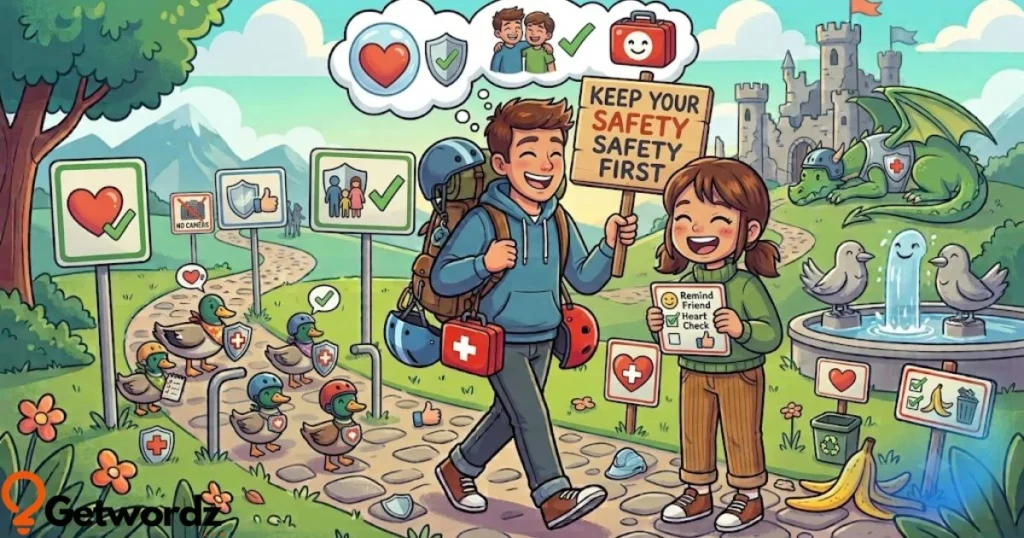
Meaning:
“Keep your safety first” means making personal protection and well-being the top priority. It encourages someone to think carefully, avoid unnecessary risks, and choose safer options.
Usage Scenario:
This phrase is used in travel advice, workplace reminders, daily conversations, and supportive messages. It can apply to driving, outdoor activities, work situations, or personal decisions.
Tone:
The tone is responsible, caring, respectful, and encouraging.
Best Use Case:
Use it when you want to give a sincere reminder about health, security, and personal well-being. It can work in both personal and semi-professional communication.
Examples:
- “Enjoy your adventure, but keep your safety first.”
- “No matter what happens today, keep your safety first.”
- “Make smart decisions and always protect yourself.”
- “Take care and remember that your safety comes first.”
Pros and Cons Of Using Be Safe
Pros
- Makes messages more personal: Creative phrases add personality and show genuine care instead of sounding repetitive.
- Creates stronger connections: Funny or unique expressions can make conversations with friends, family, and partners feel warmer.
- Adds humor and positivity: Playful safety reminders can make someone smile while still sharing a caring message.
- Improves communication style: Different expressions help match the right tone and relationship instead of using the same phrase every time.
- Makes messages more memorable: Unique wording stands out and can leave a better impression in casual conversations.
Cons
- May not fit every situation: Funny phrases may feel inappropriate during serious events, emergencies, or professional communication.
- Can be misunderstood: Sarcastic or playful expressions may confuse people who do not understand the humor.
- Requires knowing your audience: Some jokes work well with close friends but may not suit coworkers or unfamiliar people.
- May reduce seriousness: Overly funny wording can make an important safety reminder feel less meaningful.
- Can sound unnatural if overused: Repeating trendy expressions too often may make messages feel forced or less genuine.
Conclusion
Finding funny ways to say “be safe” can make everyday messages feel more personal, creative, and memorable. While the traditional phrase works well, using playful alternatives can add humor, warmth, and personality to conversations with friends, family, partners, and coworkers. Whether you choose a funny reminder, a caring expression, or a unique goodbye message, the right words can strengthen your connection with others.
The best safety messages balance humor and genuine concern. Choose phrases that match the relationship, situation, and communication tone so your message feels natural. With these creative alternatives, you can turn a simple “be safe” into something that makes people smile while still showing you care.
FAQs
What are some funny ways to say “be safe”?
Funny alternatives to “be safe” include phrases like “Don’t let chaos win today,” “Keep your danger level on low,” “Return in one piece,” and “Don’t make me send a rescue mission.” These expressions add humor while still showing care and concern.
Can I use funny safety phrases with friends?
Yes, funny safety phrases work well with friends because they create a more playful and relaxed conversation style while showing that you care about their well-being.
Are humorous “be safe” alternatives appropriate for work?
Some creative phrases may work in casual workplace chats, but formal situations are better suited for professional expressions like “Take care,” “Stay safe,” or “Have a safe journey.”
Why do people look for different ways to say “be safe”?
People search for different ways to say “be safe” because the phrase can sometimes feel common or overused. Creative alternatives help messages sound more personal, unique, and meaningful.
What is a cute way to say “be safe”?
Cute alternatives include “Come back safe and happy,” “Take care of yourself,” and “Stay protected out there.” These phrases add a more warm and affectionate tone to everyday messages.
Are funny safety messages better than simple ones?
Funny safety messages can make conversations more memorable and enjoyable, but simple phrases are often better for serious situations where a clear safety reminder is needed.
How do I choose the right “be safe” alternative?
Choose an alternative based on your relationship, situation, and communication tone. Use playful expressions with close friends and more respectful wording for professional or formal conversations.